Note di Matteo


#github

DNSimple spiega come gestiscono le repository GitHub con Terraform. Quando iniziano a diventare centinaia, gestirle manualmente genera inconsistenze:

  • Repositories had different settings, even when they should have been identical
  • Labels for issue triage varied from repository to repository, making cross-project tracking difficult
  • Some repositories had issue templates, while others didn't
  • Permission management was manual and error-prone
  • Security features like vulnerability alerts weren't consistently enabled
  • Pull request templates were copy-pasted (when they existed at all)

Dopo un tentativo con Repocop, per automatizzare il setup, hanno deciso di usare Terraform con aggiornamento delle configurazioni tramite Pull Request e Terraform Cloud.

#305 /
23 gennaio 2026
/
14:46
/ #dev#github

Ieri: il control plane GitHub Actions costa $0.002/min anche con runner self-hosting.

Oggi (Jared Palmer):

We’re postponing the announced billing change for self-hosted GitHub Actions. The 39% price reduction for hosted runners will continue as planned (on January 1)

We missed the opportunity to gather feedback from the community ahead of this move. That's a huge L. We'll learn and do better in the future.

Actions is critical infrastructure for millions of developers and we're committed to making it a world‑class compute product. Although we gave away 11.5 billion build minutes (~$184 million) to support OSS last year, Actions itself is not free. There are real, web-scale costs associated with the service and behind the control plane (for logs, artifacts, caching, redis, egress, engineering, support, etc) for both hosted and self-hosted runners. We eventually need to find a way to price it properly while also partnering and fostering the rest of the ecosystem. However, we clearly missed some steps here, and so we’re correcting course.

You all trust Actions with your most important workflows, and that trust comes with a responsibility we didn't live up to. The way forward is to listen more, ship with the community, and raise the bar together.

#236 /
17 dicembre 2025
/
21:35
/ #github

GitHub Actions

Mega refactoring di GitHub Actions:

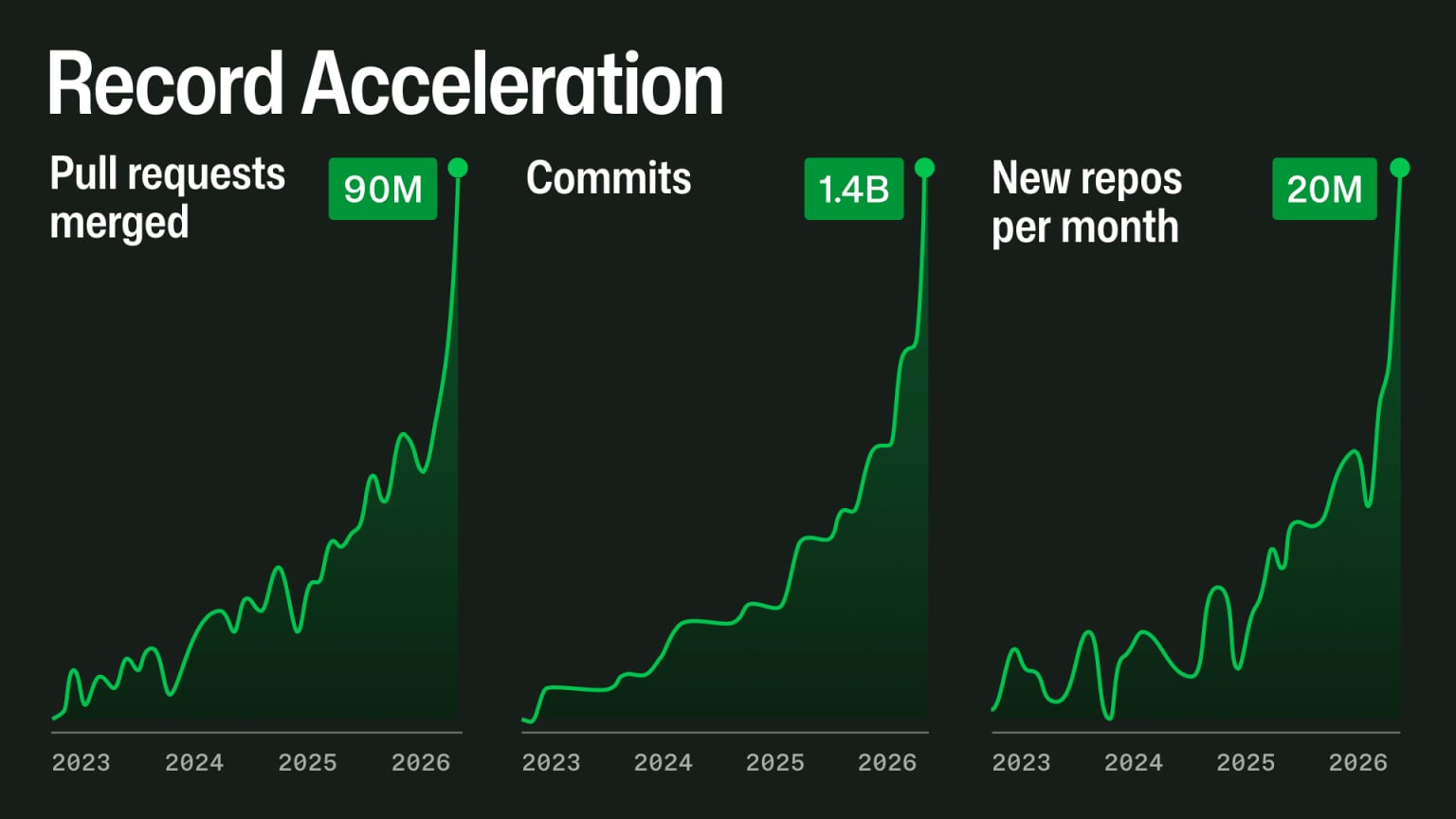
In early 2024, the GitHub Actions team faced a problem. The platform was running about 23 million jobs per day, but month-over-month growth made one thing clear: our existing architecture couldn’t reliably support our growth curve. In order to increase feature velocity, we first needed to improve reliability and modernize the legacy frameworks that supported GitHub Actions.

The solution? Re-architect the core backend services powering GitHub Actions jobs and runners.

Since August, all GitHub Actions jobs have run on our new architecture, which handles 71 million jobs per day (over 3x from where we started). Individual enterprises are able to start 7x more jobs per minute than our previous architecture could support.

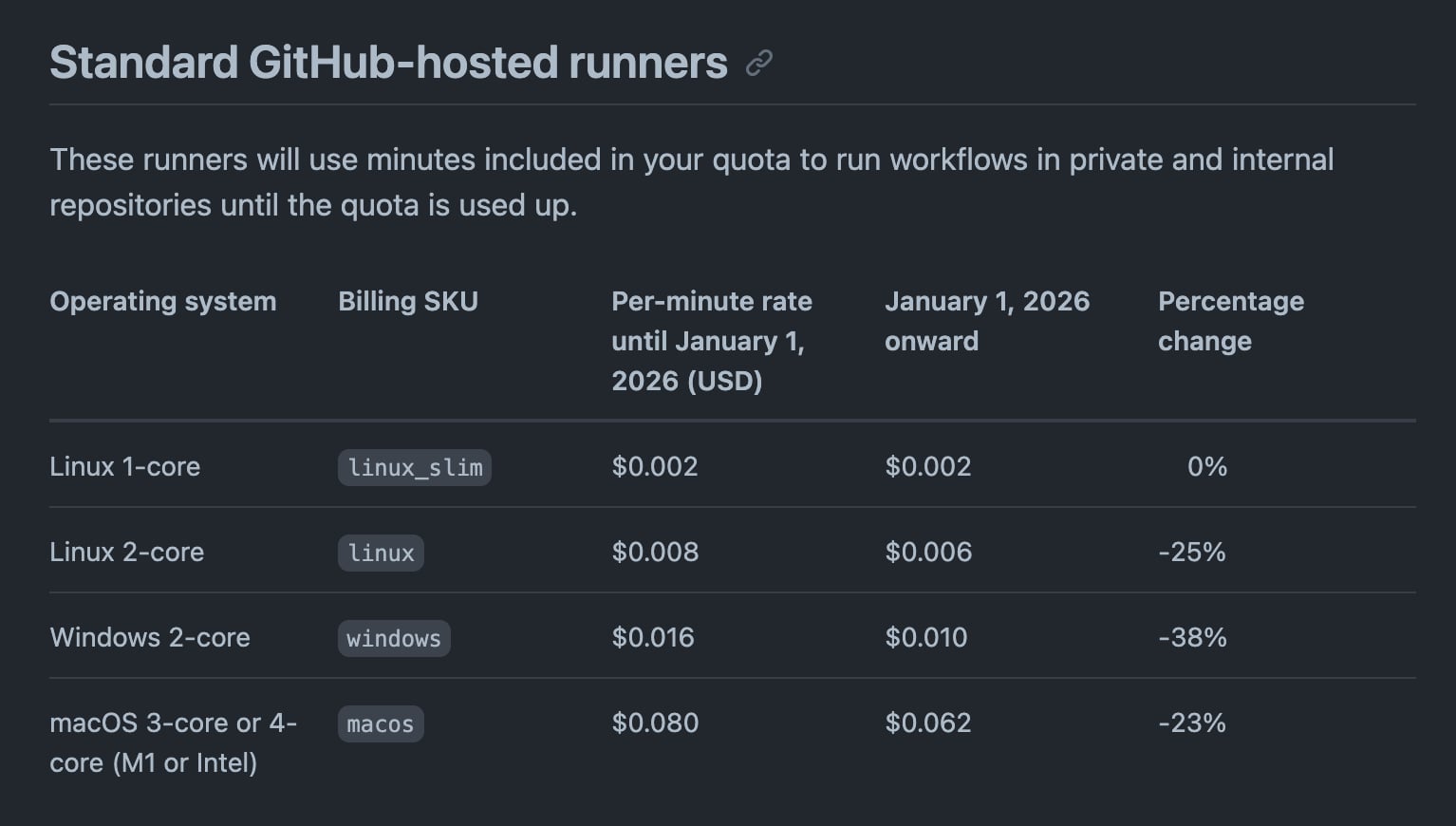
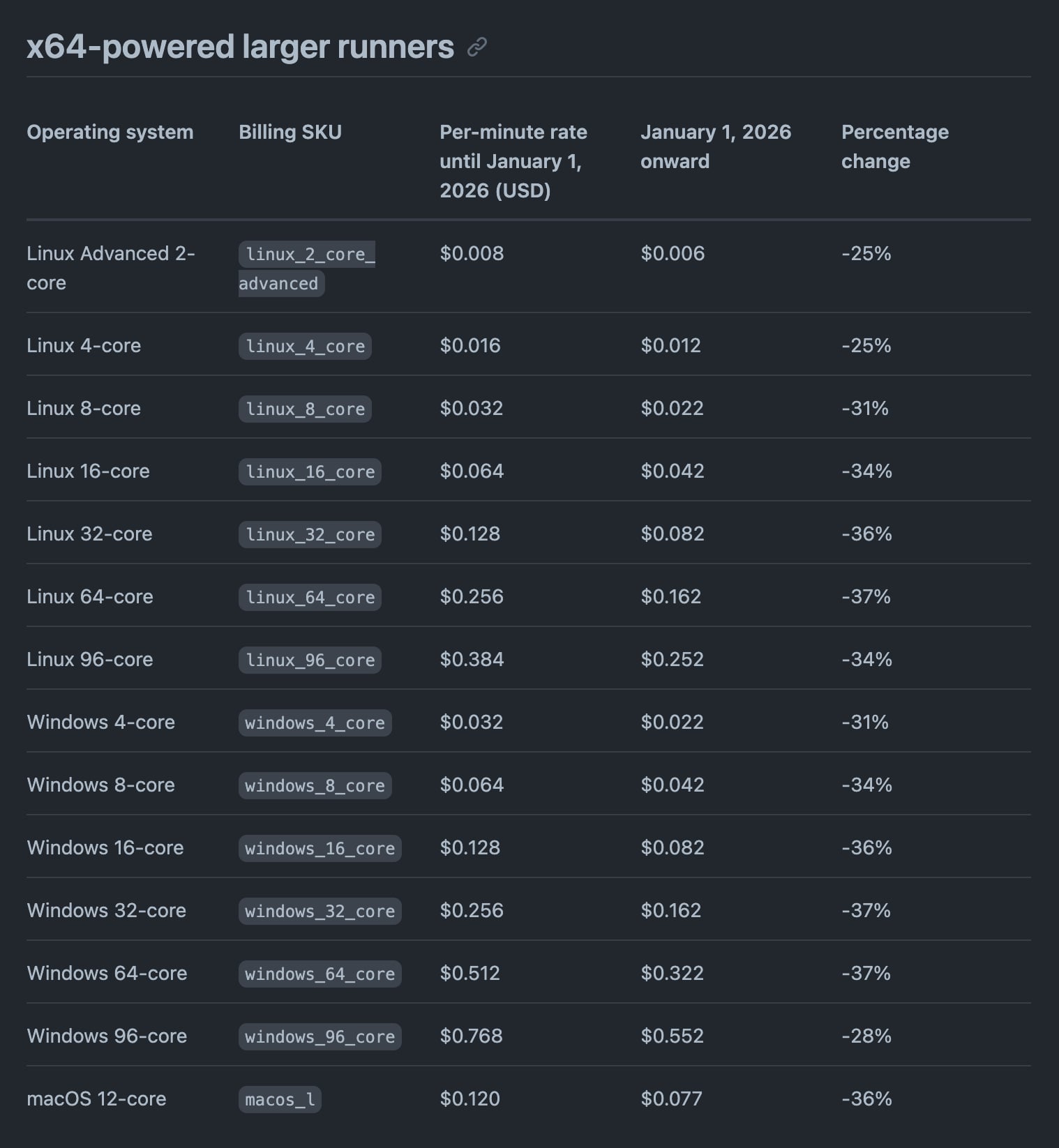
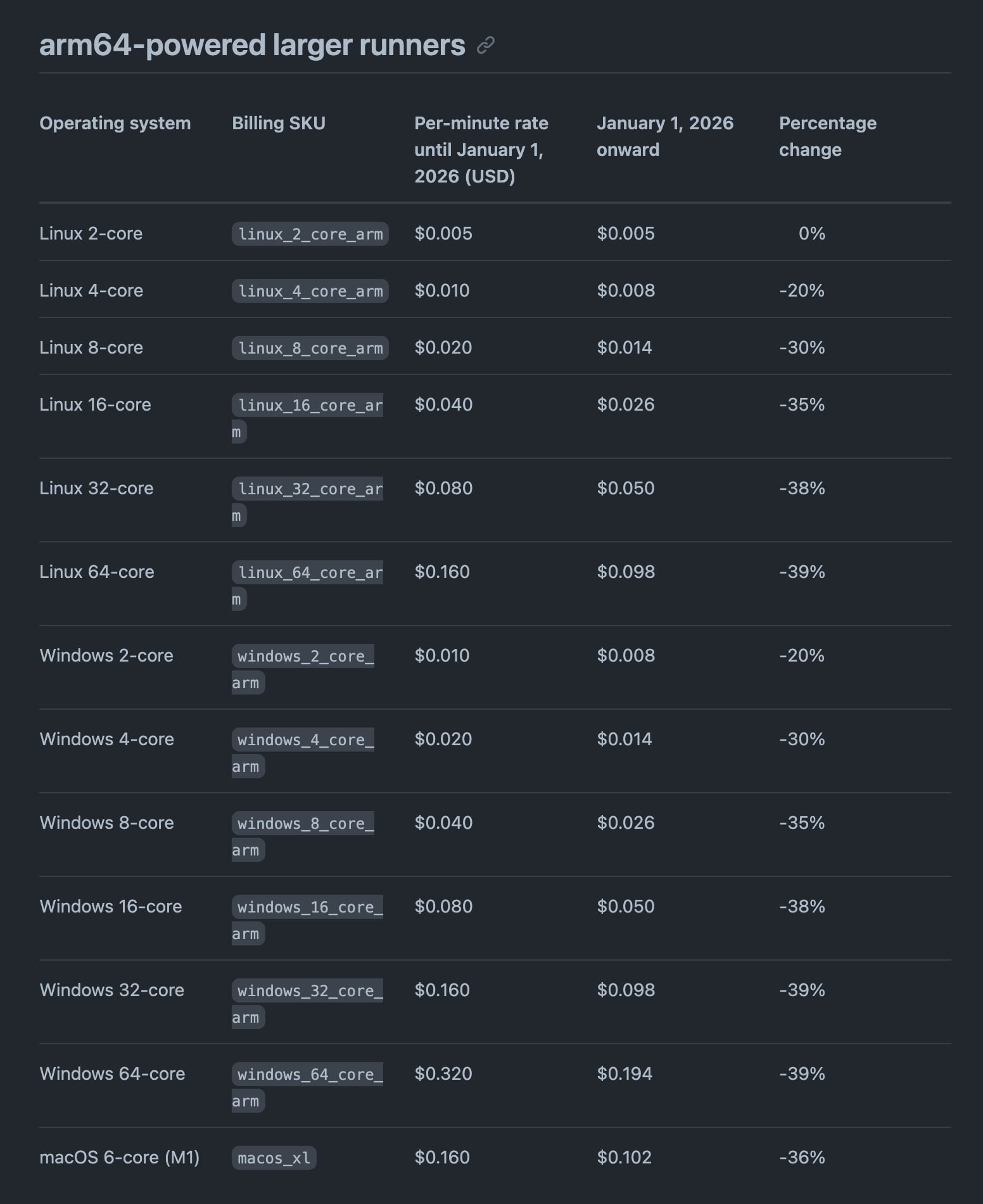
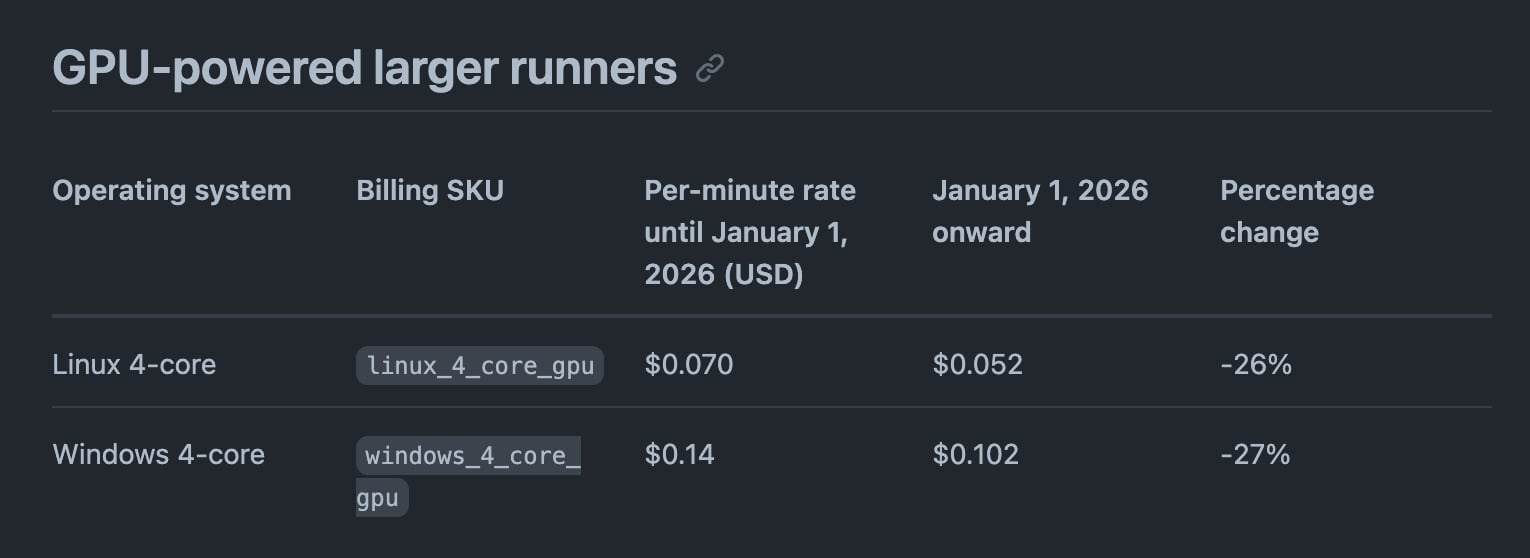
Nuovi prezzi più bassi:

Ma compare una fee di $0.002/min per i self-hosted runner.

I provider alternativi di hosted runner provano a spinnarla positivamente. Blacksmith.sh:

In the past, our customers have asked us how GitHub views third-party runners long-term. The platform fee largely answers that: GitHub now monetizes Actions usage regardless of where jobs run, aligning third-party runners like Blacksmith as ecosystem partners rather than workarounds.

Depot invece l'ha presa male.

#234 /
16 dicembre 2025
/
21:15
/ #github

Sull'architettura di GitHub:

The current architecture is indeed suboptimal. We are in the process of decoupling the monolith and now about to accelerate an incremental migration to a modern frontend stack. This will allow us to have higher velocity and better DX. I’ll post more soon when we officially get started.

The current problem is that we are not fully migrated yet to azure + the rails app calls out to a react rendering service in a waterfall. Then there are then quite a few data and client side react paradigms (react router, a custom router, relay, and some react query more recently).

In new arch, we’ll have decoupled modern frontend with parallel data fetching and move from styled components to tailwind

(Jared Palmer)

#222 /
12 dicembre 2025
/
10:00
/ #github