Note di Matteo


#internet

Mark Zuckerberg, ceo di Meta, prevede di ridurre in modo significativo le risorse destinate allo sviluppo del cosiddetto metaverso, progetto in passato definito come il futuro dell'azienda e che aveva motivato il cambio di nome da Facebook. In seguito alla notizia, il titolo è salito fino al 6% al Nasdaq. I dirigenti stanno valutando tagli al budget fino al 30% per il gruppo dedicato al metaverso nel 2026, che comprende il prodotto di mondi virtuali Meta Horizon Worlds e l'unità di realtà virtuale Quest. (Milano Finanza)

Chi l'avrebbe mai detto.

#202 /
4 dicembre 2025
/
20:45
/ #meta#internet#social

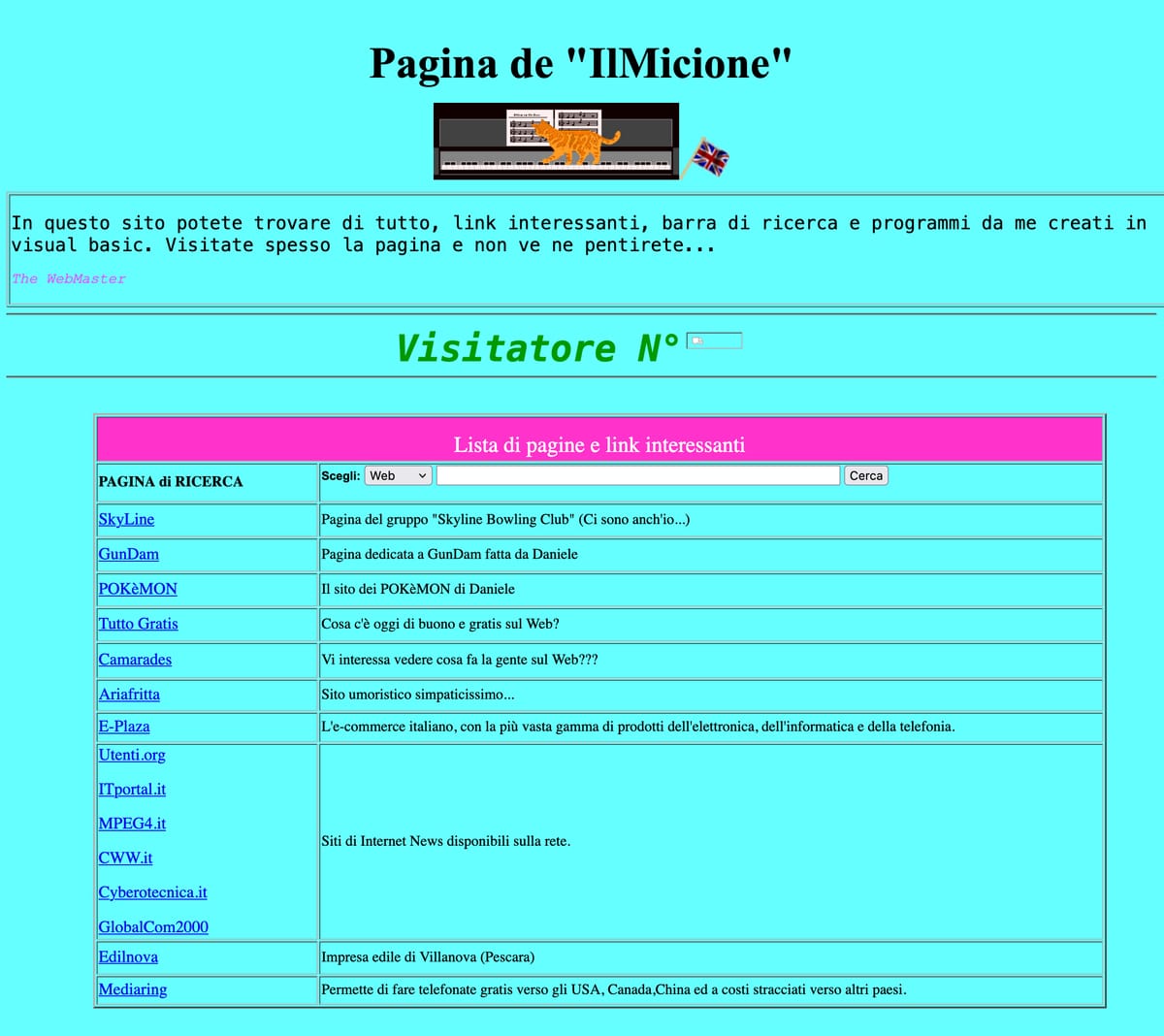
TIL buona parte del Web 1.0 era ospitato da GeoCities, servizio chiuso nel 2019 ma in parte archiviato su GeoCities Gallery.

Ora c'è Neocities.org che ospita più di un milione di siti con la stessa filosofia.

Da The indie web is here to make the internet weird again:

The indie web is about reclaiming space on the internet for human-created content. It’s not about creating the best website, the most optimized one, or the most popular one. It’s about creating whatever you want without caring what an algorithm thinks of it or worrying about an AI ripping it off.

What stood out to me most, and surprised me the most, was how the indie web feels. [...] Rather than the cold apathy I feel while scrolling through Google or social media, I was genuinely curious what the next website would hold, what weird design it would feature, what funky music or fun facts it would include. Some personal websites contained journal entries that left me feeling like I was actually getting to know the person who wrote them, a distinct change from the snarky Twitter posts and tag-filled Instagram captions I’ve grown used to.

#187 /
30 novembre 2025
/
20:40
/ #internet#social

It’s human nature to provoke especially if it has no consequences. On X being a provocateur comes with financial reward. So of course civility breaks down and discourse becomes increasingly toxic because you make money with little to no social consequences.

You can either have constructive, civil discourse with context of identity, be rewarded for putting your neck on the line or preserve your privacy & anonymity, continue to be a provocateur but with nothing to gain from it.

You just have to stop incentivizing anonymous posting with $$$.

Apoorva Govind

#178 /
24 novembre 2025
/
15:04
/ #internet#social

I'm sure some of these are state/political projects, but I suspect most are just smart people in low and middle income countries doing it for the money, because Twitter invented a direct and quick way to make cold hard cash from making Americans angry and upset online.

Mike Bird (The Economist)

#177 /
24 novembre 2025
/
11:18
/ #internet#social

TIL OONI.org (Open Observatory of Network Interference) è una global community measuring Internet censorship since 2012. Si installa la probe e si eseguono test che sono poi esplorabili e finiscono nei report sulla censura.

#166 /
18 novembre 2025
/
16:36
/ #internet

Qualcosa è andato storto

Io propongo una resistenza della gentilezza. Il valore fondamentale che abbiamo perso stando sui social è la gentilezza. Tu andavi sui social all'inizio di Facebook e la gente era gentile. Ci vai oggi e ti devi mettere l'elmetto e l'armatura perché ci sarà qualcuno che ti attaccherà e ti insulterà a caso, e quindi siamo sempre in modalità difensiva. Dobbiamo recuperare la consapevolezza che è pieno di persone buone e perbene nel mondo, non hanno successo ma esistono, e il mondo è migliore di quello che ci fanno vedere. E se noi cambiamo prospettiva, forse lo diventa davvero.

Riccardo Luna presentando il libro Qualcosa è andato storto.

#123 /
30 ottobre 2025
/
21:09
/ #internet#social#mondo

Negli anni scorsi mi è capitato di sentirmi chiedere, solo perché sono qui da un po’, se alla fine internet abbia migliorato o peggiorato il mondo, secondo me: la cosa che rispondo – con tutte le incertezze di uno che ha visto smentite molte delle sue risposte – è che lo ha sicuramente migliorato per chi aveva o ha gli strumenti per sfruttarne il meglio, che è un meglio letteralmente incredibile, fino trent’anni fa; lo ha invece probabilmente peggiorato per chi ne ha ricevuto solo una maggiore spinta verso gli egoismi e le vanità umane con cui continuiamo a nascere tutti, prima che gli umani esistenti non ci aggiornino sulle cose imparate in millenni di progresso civile. Che è ancora quello che può fare ognuno di noi, con la scuola, coi giornali, sui social network, col proprio esempio, o con libri come questo.

Luca Sofri nella prefazione a Qualcosa è andato storto di Riccardo Luna.

#99 /
24 ottobre 2025
/
13:47
/ #internet#social#mondo

A lot of my recent songs are a reaction to how one feels online in the modern world. Going back to this individualistic culture of writing about our deepest insecurities feels very liberating. Social media reinforces your impression of being inadequate and having to consume something to feel whole.

I would very much like to see a gentler world, a world with more with more compassion and more warmth, a world where not so many people are afraid of being different, being unique.

Tom Odell

#76 /
16 ottobre 2025
/
22:12
/ #internet#social

Come funziona la tecnologia della pubblicità online

Dalla newsletter Big Tech on Trial:

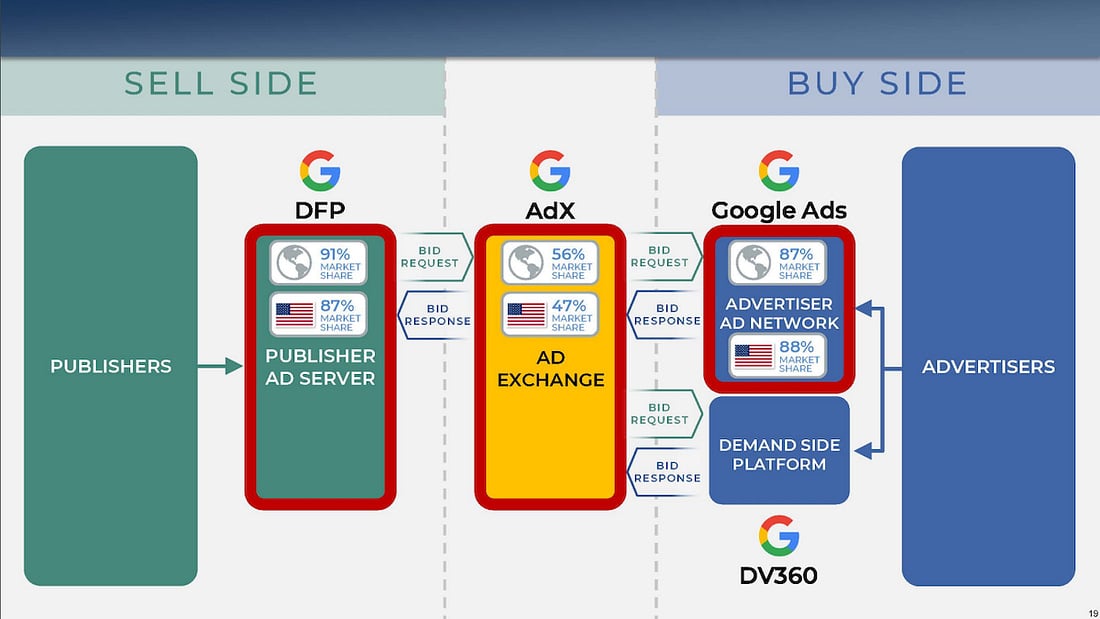
The underlying structure of targeted internet advertising is completely different from the old days.

Instead of individual websites selling ad space, they hire a service to manage their space for them. This is a “publisher ad server,” and it has a large inventory of websites looking to sell space, which is why we’ll call it the “sell side” for short. On the “buy side” is an “advertiser ad network,” which similarly has a large inventory of advertisers looking for space to post ads. (Judge Brinkema found Google not liable for illegally monopolizing the buy side.)

In between the publisher ad server (the sell side) and the advertiser ad network (the buy side) is an “advertising exchange” which matches up ads with spaces by holding a lightning speed auction. In the time it takes a website to load after you click on it (maybe half a second), an ad exchange auctions off the advertising space on that webpage to the highest bidder among all the advertisers in the ad network inventories.

The three parts together are known as the “ad tech stack.” Companies compete to provide these services on the sell side, ad exchange, and buy side, and these are the three markets Google dominates with DFP, AdX, and Google Ads, respectively. Here’s what that all looks like visually:

#29 /
1 ottobre 2025
/
15:45
/ #google#internet

The Social Reckoning

Nel 2026 arriva il sequel di The Social Network!

Il film non riprenderà la narrazione del 2010, che raccontava in sostanza la fondazione di Facebook, ma si concentrerà invece sullo scandalo legato alle accuse di Haugen: dalla denuncia sugli effetti negativi di Instagram sulla salute mentale delle adolescenti alla gestione insufficiente della moderazione dei contenuti in lingue diverse dall’inglese, fino al ruolo della piattaforma nei conflitti internazionali.

Il primo film è stato di ispirazione per molti (me compreso), ma poi le cose sono andate in una direzione un po' più creepy del previsto.

#16 /
29 settembre 2025
/
11:15
/ #internet#social#meta

La dimensione di Google

Il monopolio di Google nei servizi web:

  • #1 and #2 most-visited websites: Google.com is the most popular website in the world, and YouTube is #2. Google.com gets 85 billion monthly visits – more than the next 9 most-visited websites, combined
  • Android: around 4.2 billion users (circa 75% of global smartphone market share)
  • Chrome: circa 3.45 billion users (around 65% of global browser market share)
  • Gmail: approximately 1.8 billion active users

Con questi risultati finanziari:

In absolute terms, Google is currently the most profitable company in the world; it generated $115 billion in profit (net income) over the past 12 months on $371 billion in revenue.

At its core, Google is still an advertising company; around 75% of revenue comes from selling ads on Google Search, YouTube, and the Google Ads network.

E questa quantità di staff tecnico:

Google employs around 60,000 software engineers [...] This makes Google one of the largest employers of software engineers. [...] Google runs more than 25 engineering offices.

(The Pragmatic Engineer)

#14 /
29 settembre 2025
/
08:54
/ #google#internet

Pochi anni fa un uomo che ha fatto la storia dei social e del web, Evan Williams, uno dei creatori di Twitter, ha fatto un intervento che ha colpito tanti. Ha detto: signori, Internet così come lo conosciamo e come ho contribuito a renderlo è guasto. Noi stiamo portando le persone non a capire, ma a reagire. Gli chiediamo continuamente un like, gli chiediamo continuamente o di urlare o di condividere senza passare dalla testa. Passa tutto da un dito, passa tutto da un click. E alla fine sai che c’è, c’è che con il web così come noi lo conosciamo probabilmente ben presto non ci importerà più niente di capire, ci basterà solo reagire.

Stefano Massini a Riserva Indiana del 22 settembre 2025.

#13 /
29 settembre 2025
/
08:30
/ #internet#social

Una intuizione preveggente e brillante oggi è più facile che venga sviluppata dentro Google, Meta o al New York Times piuttosto che in un garage o in un blog. E questo scenario sta entrando nelle consapevolezze delle generazioni più giovani, che a differenza di quelle che le hanno precedute non si trovano davanti mondi da inventare e opportunità inedite da sfruttare ma una situazione simile a quella di quarant'anni fa: in cui ambizioni e creatività possono svilupparsi quasi soltanto al servizio di progetti e strutture esistenti e forti. Sono progetti e strutture diversi, ma hanno ricostruito una condizione di forza che per un periodo era stata terremotata, e sulle cui macerie erano cresciute non solo imprese impensate, grandi e piccole, ma una sensazione di poter sperimentare, costruire, inventare, con grandi libertà e autonomie.

L'inclinazione a inventarsi cose proprie e inesistenti si è attenuata, per saturazione e perché molte acque si sono richiuse. Niente di drammatico: il mondo era così anche prima, e anzi, c'è da rallegrarsi di avere attraversato una ricreazione tanto straordinaria e fertile. E poi magari succederà di nuovo, di nuovo imprevisto.

Luca Sofri nella newsletter Charlie del 28 settembre 2025.

#6 /
28 settembre 2025
/
13:30
/ #internet#business#informazione