Note di Matteo


#cloudflare

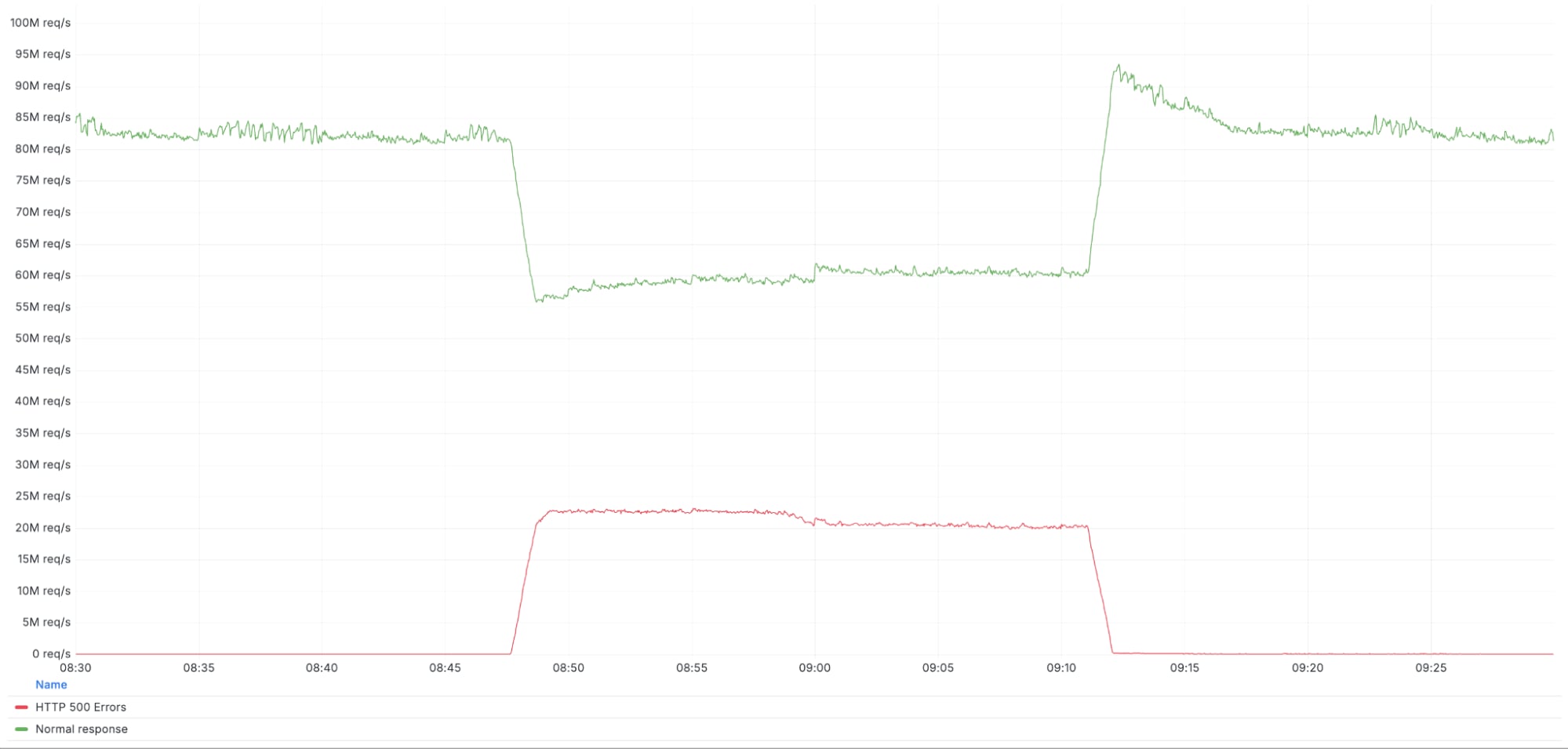
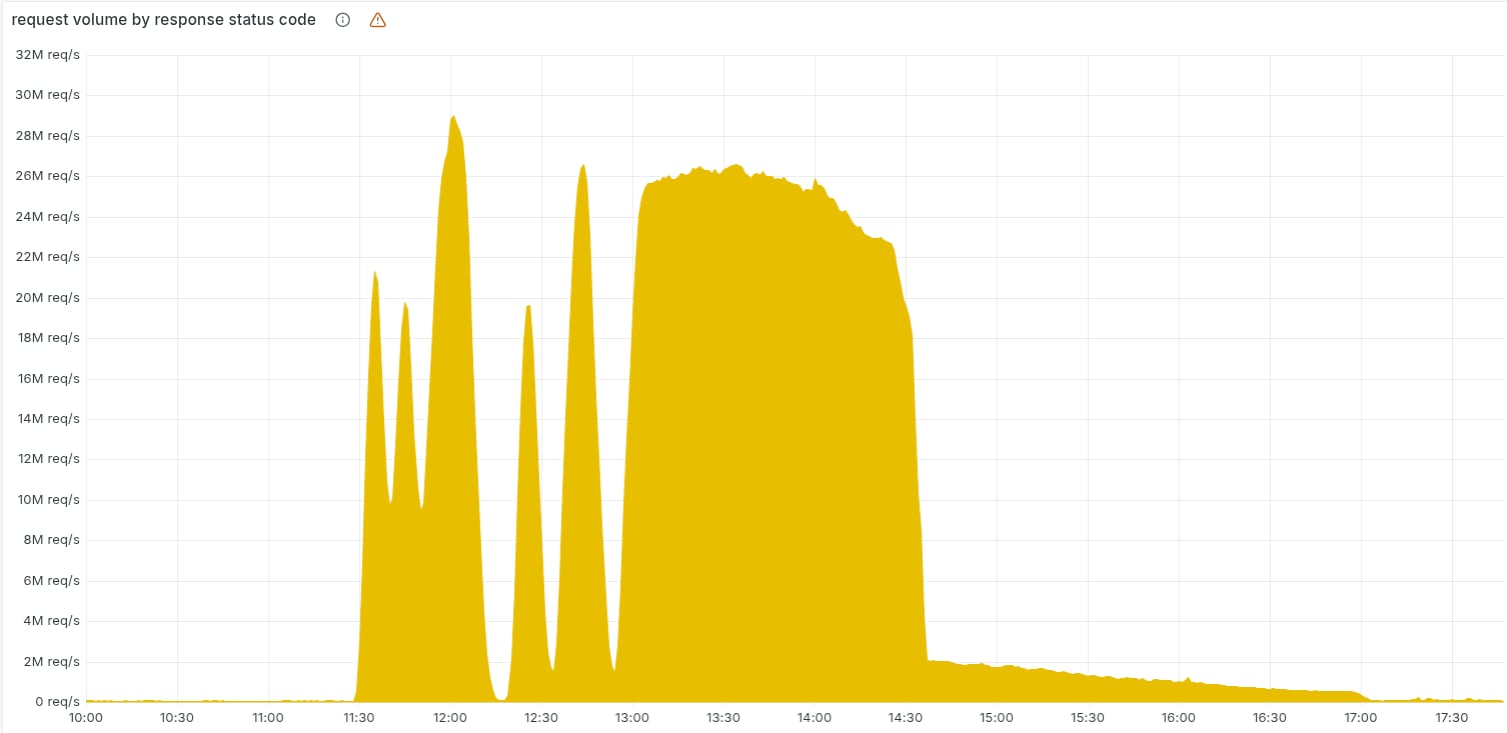
Il postmortem del nuovo disservizio di Cloudflare, durato 25 minuti: la causa è di nuovo una configurazione distribuita globalmente senza rollout progressivo:

This second change of turning off our WAF testing tool was implemented using our global configuration system. This system does not perform gradual rollouts, but rather propagates changes within seconds to the entire fleet of servers in our network and is under review following the outage we experienced on November 18.

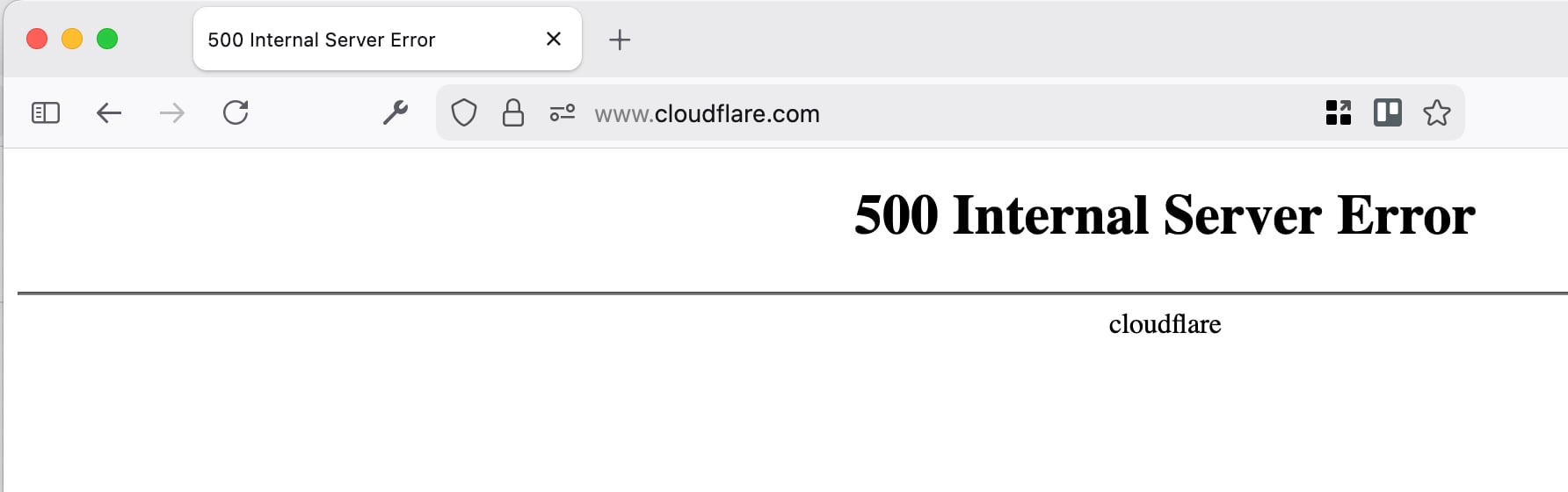
Unfortunately, in our FL1 version of our proxy, under certain circumstances, the second change of turning off our WAF rule testing tool caused an error state that resulted in 500 HTTP error codes to be served from our network.

Almeno stanno lavorando a una soluzione definitiva che non tiri giù tutto con un click:

Before the end of next week we will publish a detailed breakdown of all the resiliency projects underway, including the ones listed above. While that work is underway, we are locking down all changes to our network in order to ensure we have better mitigation and rollback systems before we begin again.

#210 /
5 dicembre 2025
/
21:06
/ #cloudflare#cdn


Dal postmortem di Cloudflare:

Il motivo delle fluttuazioni iniziali di errori 5xx è dovuto al deployment di un file di configurazione errato del "bot score" della Bot Protection:

As a result, every five minutes there was a chance of either a good or a bad set of configuration files being generated and rapidly propagated across the network.

E infine veniva sempre deployato il file errato, globalmente e istantaneamente (la stessa causa di altri precedenti outage globali di Cloudflare):

The model takes as input a “feature” configuration file. A feature, in this context, is an individual trait used by the machine learning model to make a prediction about whether the request was automated or not. The feature configuration file is a collection of individual features.

This feature file is refreshed every few minutes and published to our entire network and allows us to react to variations in traffic flows across the Internet. It allows us to react to new types of bots and new bot attacks. So it’s critical that it is rolled out frequently and rapidly as bad actors change their tactics quickly.

Il motivo per cui alcuni siti non erano affetti:

Customers deployed on the new FL2 proxy engine, observed HTTP 5xx errors. Customers on our old proxy engine, known as FL, did not see errors, but bot scores were not generated correctly, resulting in all traffic receiving a bot score of zero. Customers that had rules deployed to block bots would have seen large numbers of false positives.

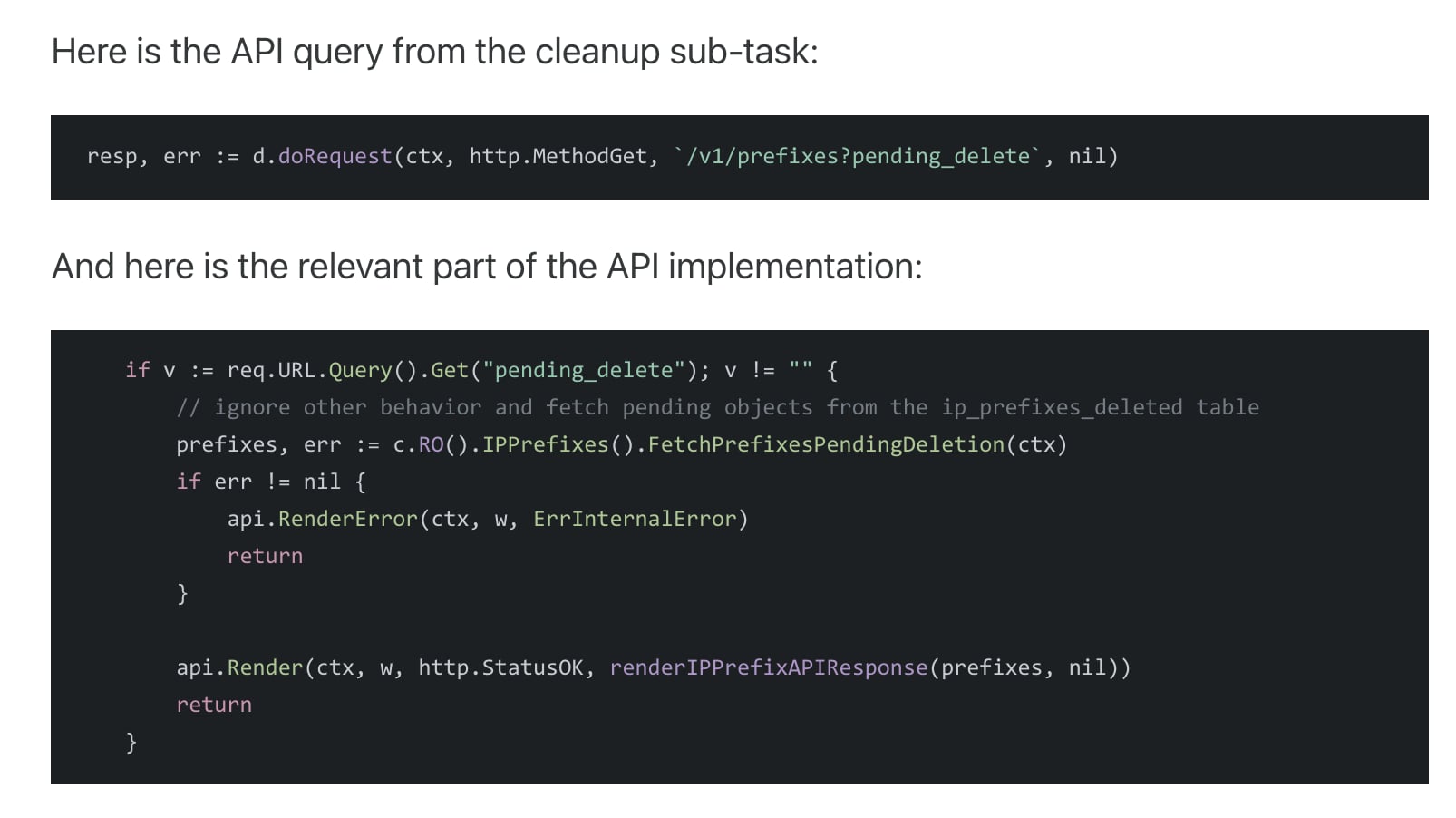
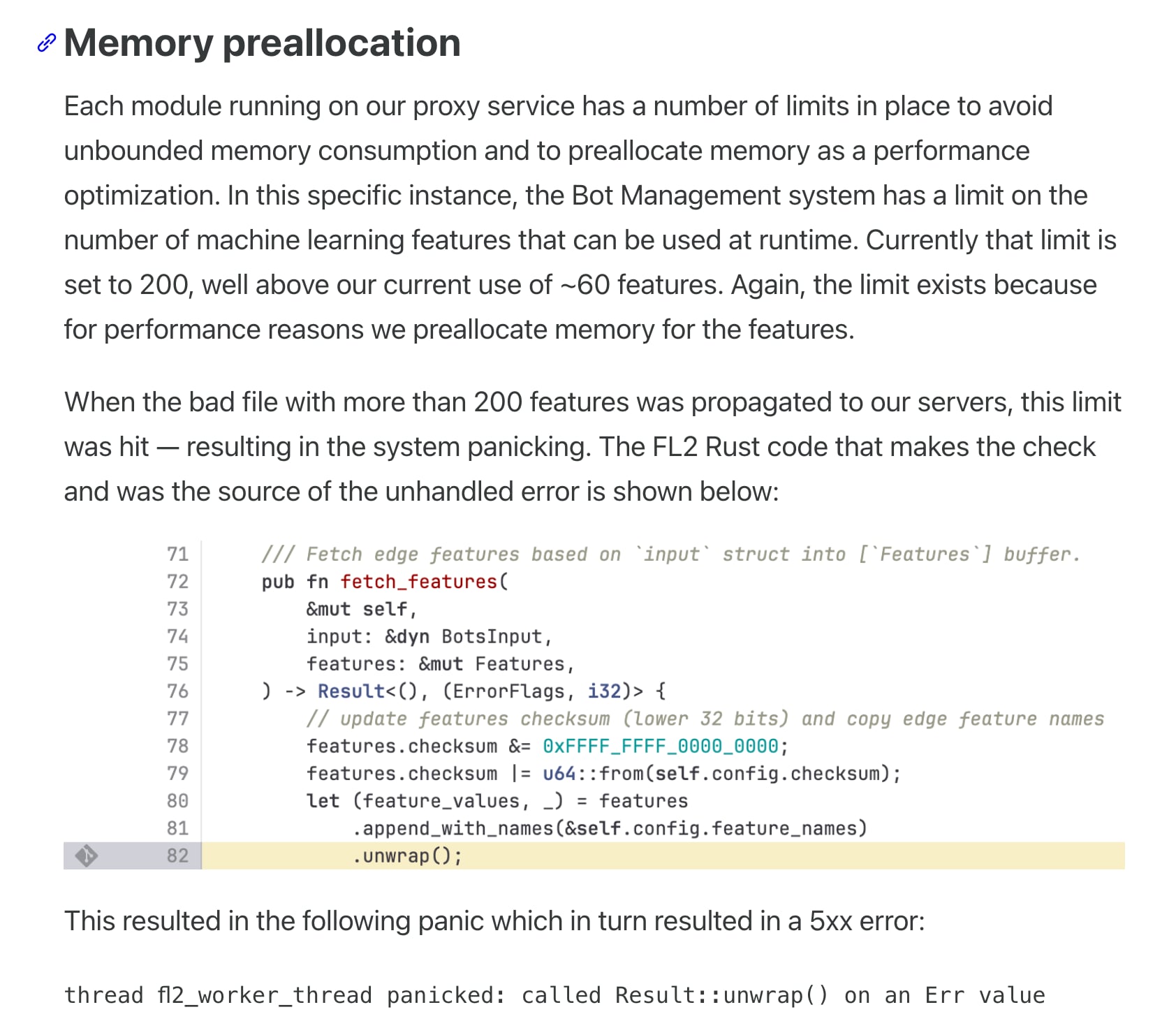
Il file di configurazione conteneva dei dati errati perché per via di un cambio di configurazione la query ClickHouse estraeva più dati del dovuto. Il proxy edge lanciava un'eccezione perché non si aspettava quella quantità di dati:

Cosa c'era quindi che non andava:

  • La query era errata (ok, può capitare).
  • Non c'era validazione dell'output della query (feature duplicate), che finiva quindi direttamente deployato globalmente, a quanto pare.
  • Sull'edge c'era un limite fisso di 200 feature attese, ma non c'era nessuna validazione che il file ne avesse effettivamente di meno.
  • Non c'era nemmeno "fail safe" nel caso in cui succedesse.

EDIT: su Hacker News osservazioni molto simili:

They failed on so many levels here.

How can you write the proxy without handling the config containing more than the maximum features limit you set yourself?

How can the database export query not have a limit set if there is a hard limit on number of features?

Why do they do non-critical changes in production before testing in a stage environment?

Why did they think this was a cyberattack and only after two hours realize it was the config file?

Why are they that afraid of a botnet? Does not leave me confident that they will handle the next Aisuru attack.

#172 /
19 novembre 2025
/
11:08
/ #cloudflare#cdn

Anche Resend durante l'outage Cloudflare ha iniziato a lavorare per sostituire Cloudflare con AWS CloudFront, ma alla fine non l'ha fatto e preferisce avere l'edge AWS (dove c'è il resto dell'infrastruttura) solo come failover.

The CloudFront solution was not deployed, but the runbook was created. If the incident were to recur, we could switch to the fallback within 60 seconds. We continued to monitor and then closed the status page.

#171 /
19 novembre 2025
/
09:35
/ #cloudflare#cdn#cloud

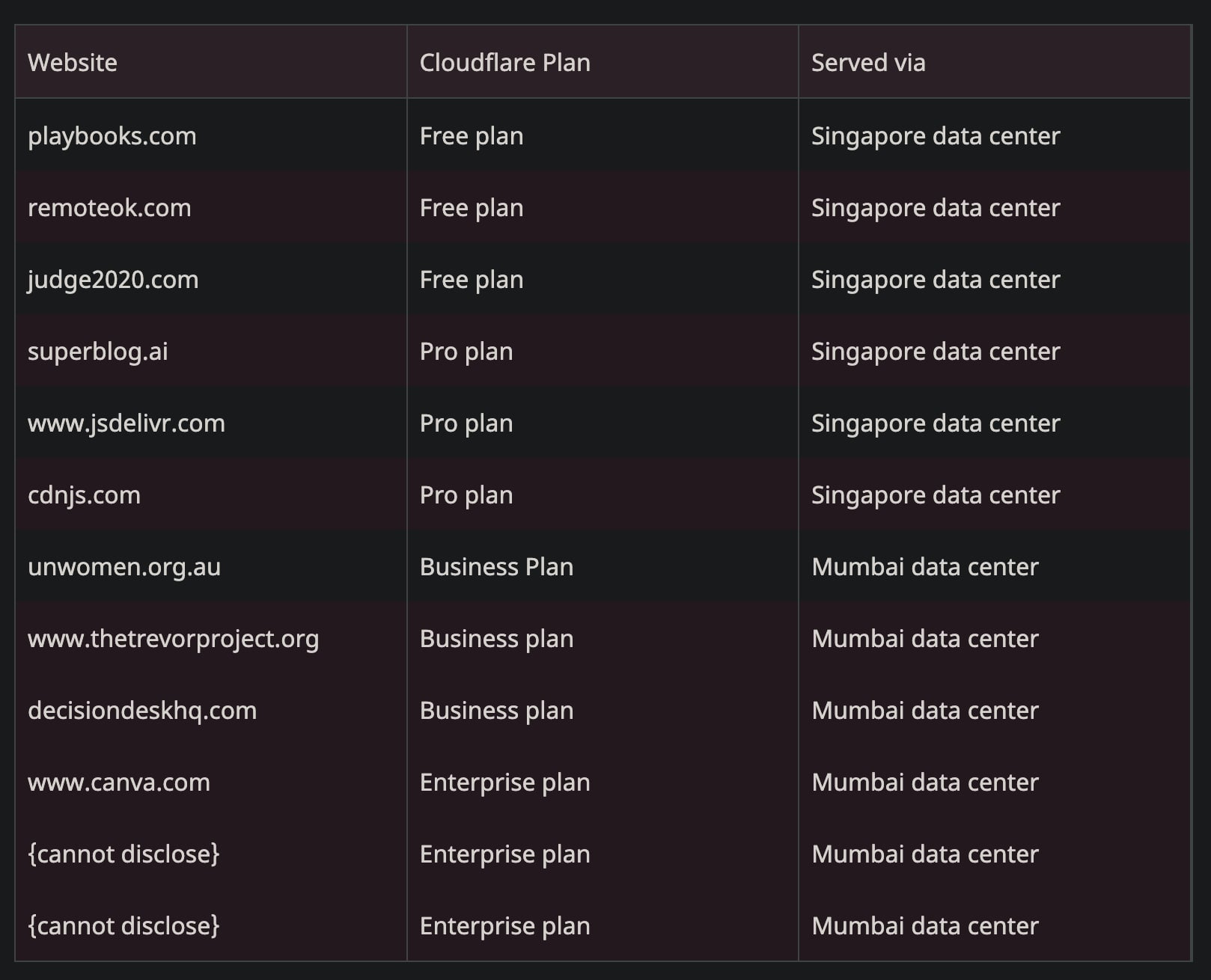
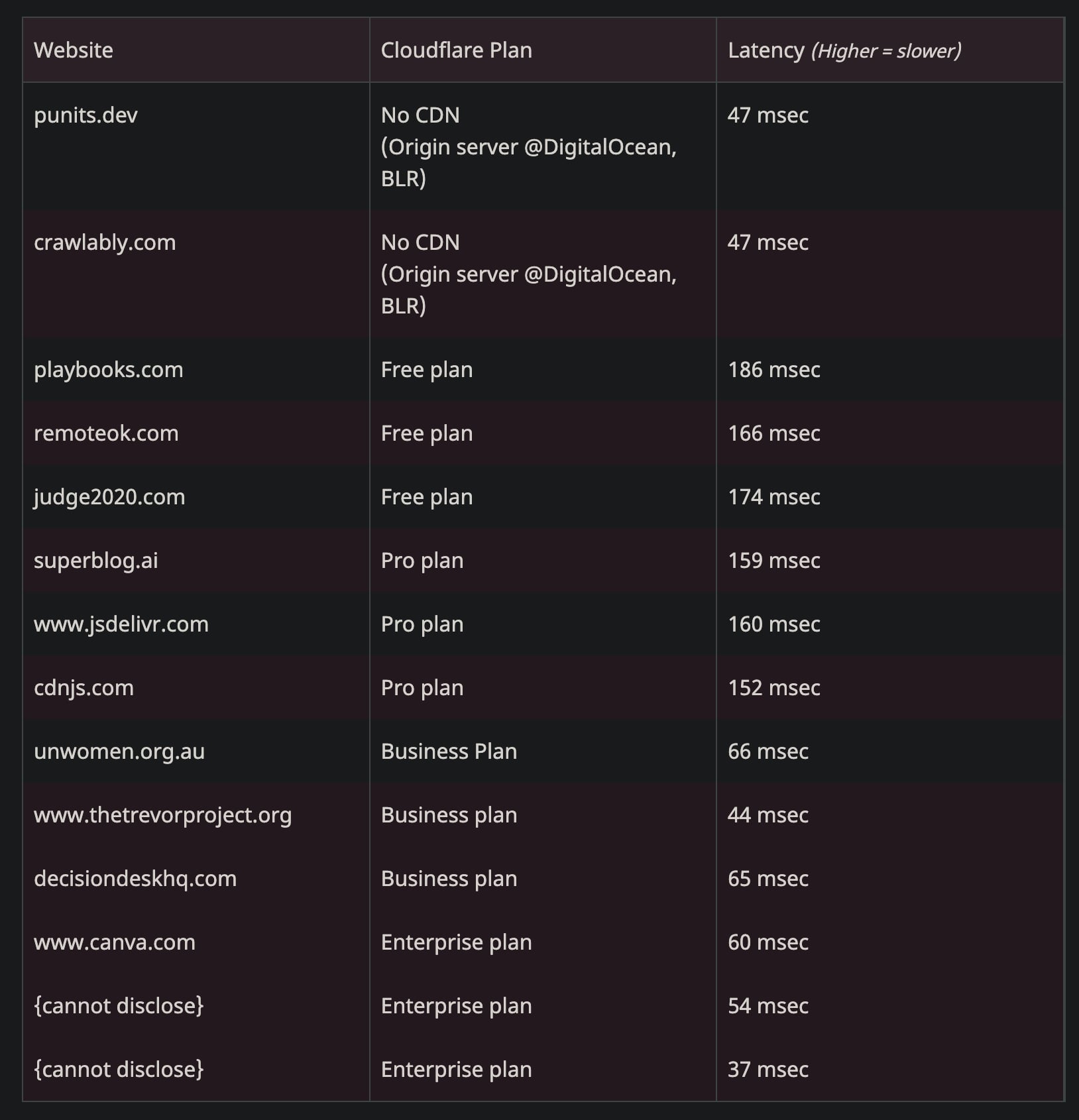
Altra testimonianza di come il routing Cloudflare sia pessimo sui piani più economici (producendo 150+ ms di latenza evitabile scegliendo nodi a migliaia di km di distanza), un problema che essenzialmente non esiste con le altre CDN:

#168 /
18 novembre 2025
/
20:48
/ #cloudflare#cdn

A dimostrazione di #164, ho notato che diversi siti hanno disattivato Cloudflare visto il prolungarsi dei problemi: Mailtrap, Instatus, X. E allora cosa era lì a fare?

#165 /
18 novembre 2025
/
15:23
/ #cdn#cloudflare

Cloudflare KO da quasi due ore e la differenza rispetto a quando us-east-1 di AWS è down è che i disservizi Cloudflare tendono ad essere globali e quindi più impattanti.

La quantità di siti impattati che sto osservando mi sembra maggiore rispetto all'outage AWS del mese scorso. A questo giro noto cloud provider con i siti in crisi (Netsons), servizi di status page (Instatus), di rilevamento errori (Bugsnag), di invio email (Mailtrap, Resend) che usano Cloudflare magari senza nemmeno averne bisogno, magari perché "lo usano tutti", "costa poco", e senza un'adeguata valutazione di cosa comporta far passare l'intero traffico non cifrato attraverso un'azienda che non ha una reputazione di affidabilità. A questo giro anche ChatGPT, X e N26.

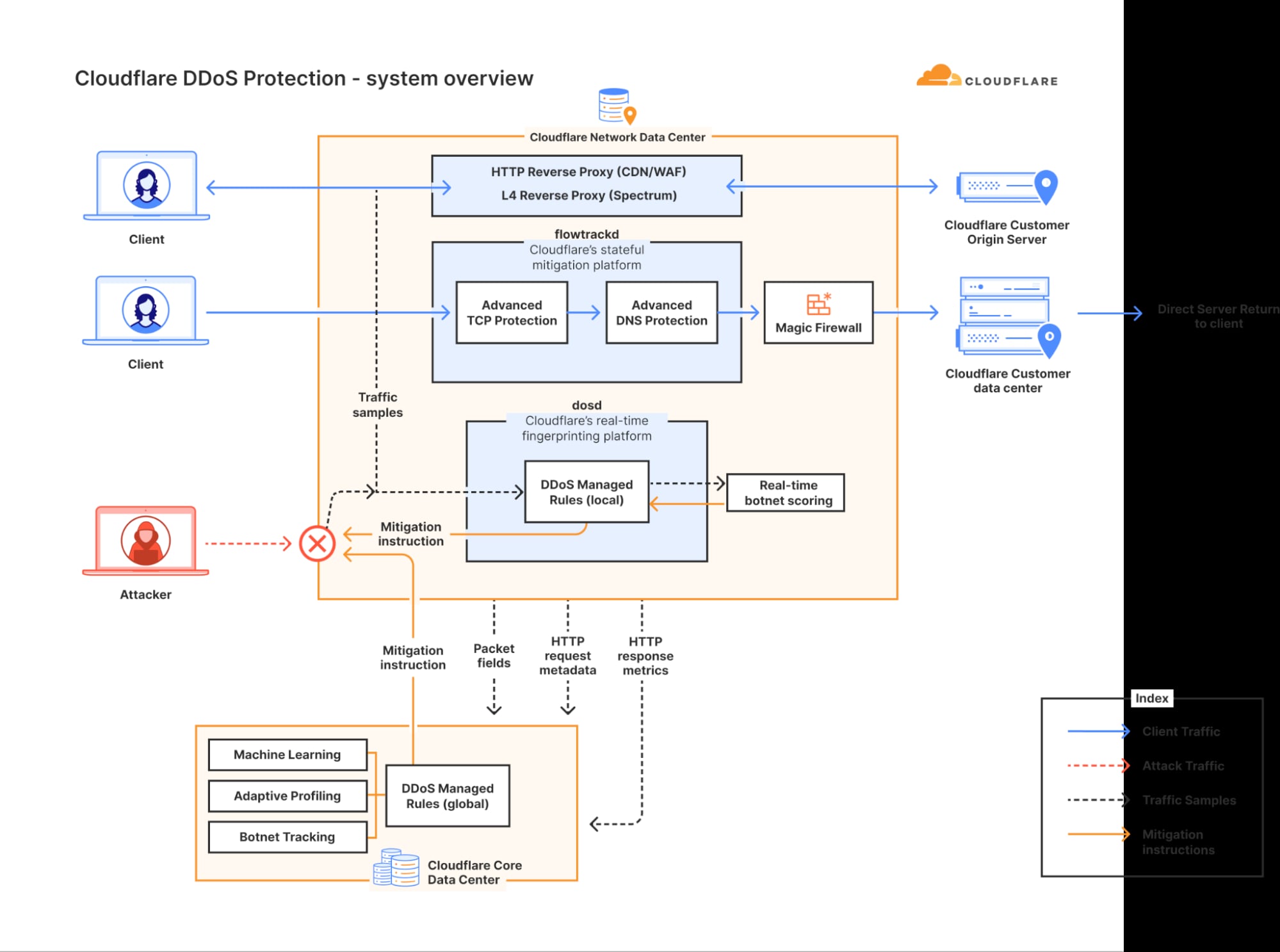
Magari anche con l'illusione che Cloudflare serva a qualcosa out of the box nel gestire gli attacchi DDoS. Non lo è: gli attacchi L3/L4 li gestisce tipicamente ogni provider di rilievo (almeno fino a una certa scala) e non è per questo necessario Cloudflare, mentre è noto a chi ci è passato che Cloudflare ha l'abitudine di passare alla origin gli attacchi L7 anche significativi (decine di migliaia di richieste al secondo), fuori pattern e con origin palesemente in crisi. Di certo è un utile, flessibile e soprattutto accessibile firewall edge a scalabilità infinita che avrebbe bisogno di più competizione.

#164 /
18 novembre 2025
/
14:42
/ #cdn#cloud#cloudflare

TIL il firewall di Cloudflare era inizialmente fatto con nginx + PHP (!):

[...] the first version of FL was implemented based on the NGINX webserver, with product logic implemented in PHP. After 3 years, the system became too complex to manage effectively, and too slow to respond, and an almost complete rewrite of the running system was performed.

E poi fino al 2024 nginx (openresty) con scripting Lua:

From this point on, FL was implemented using NGINX, the OpenResty framework, and LuaJIT. While this was great for a long time, over the last few years it started to show its age. We had to spend increasing amounts of time fixing or working around obscure bugs in LuaJIT. The highly dynamic and unstructured nature of our Lua code, which was a blessing when first trying to implement logic quickly, became a source of errors and delay when trying to integrate large amounts of complex product logic.

Da quest'anno è in rollout la nuova versione scritta in Rust.

#2 /
27 settembre 2025
/
11:31
/ #cloudflare#cdn