Altro problema tra i numerosi problemi di macOS 26: l'area in cui si può puntare per ridimensionare una finestra è prevalentemente esterna alla finestra, e quindi è diventato più difficile.

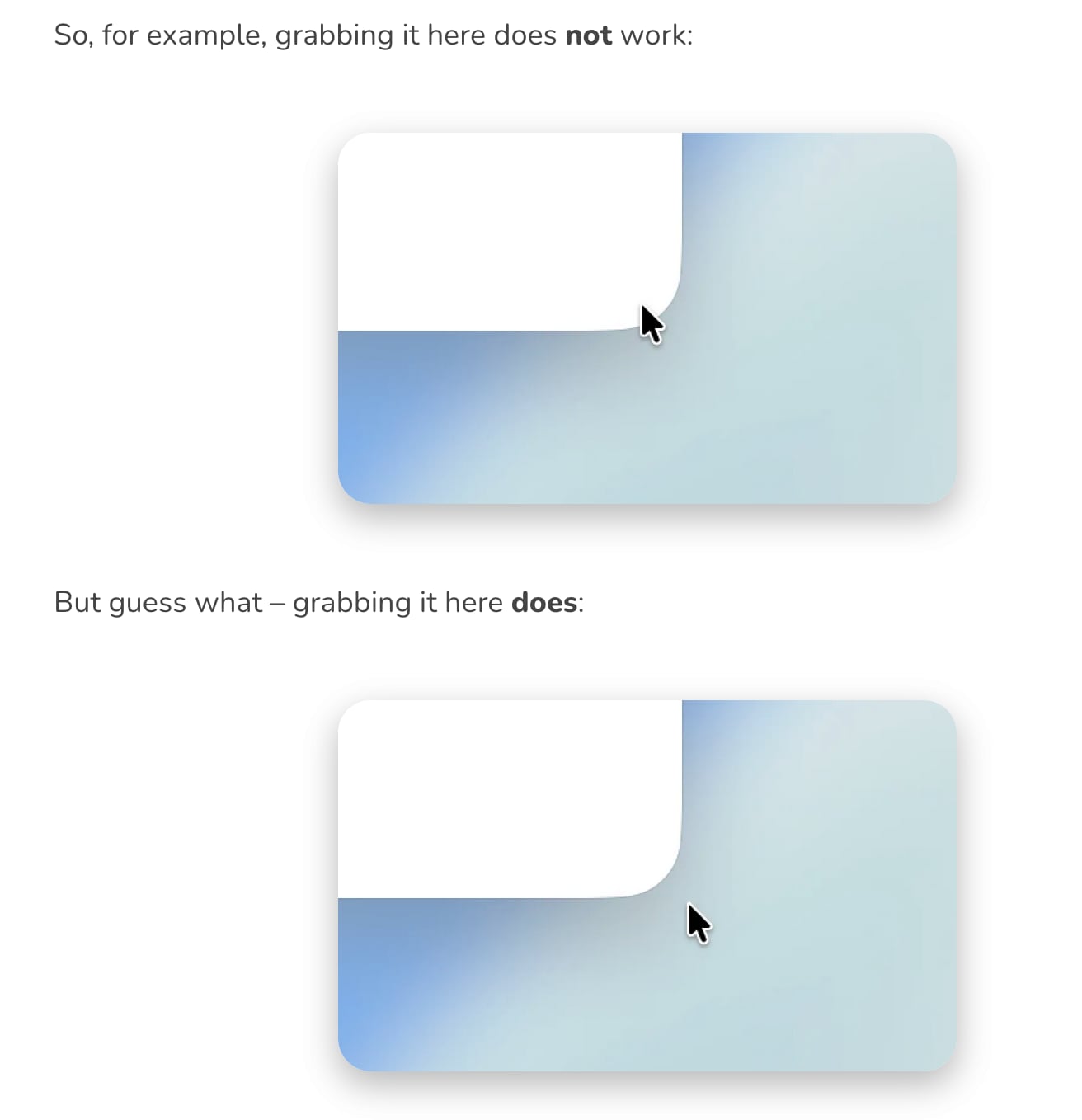
È come prendere in mano un piatto senza toccarlo:
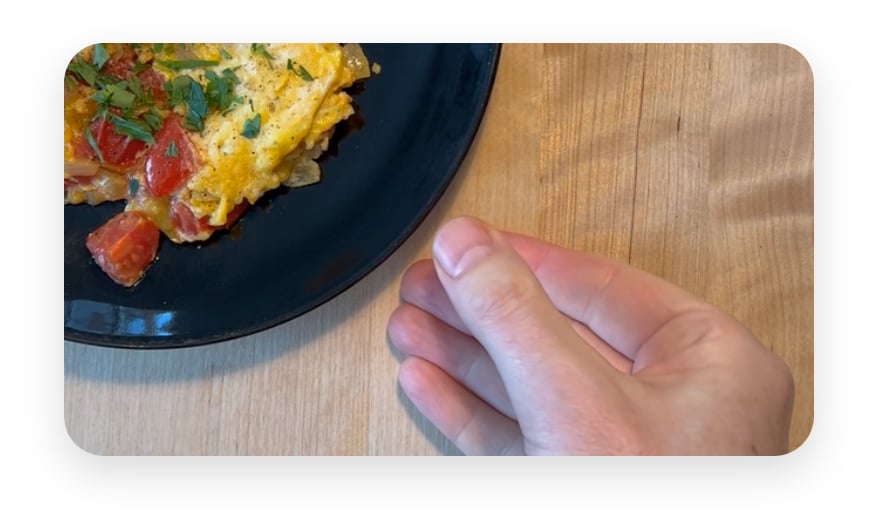
Altro problema tra i numerosi problemi di macOS 26: l'area in cui si può puntare per ridimensionare una finestra è prevalentemente esterna alla finestra, e quindi è diventato più difficile.
È come prendere in mano un piatto senza toccarlo:
Come segnala DDay, ecco la risposta DNS del risolver di Google 8.8.8.8 per un dominio bloccato da Piracy Shield:
~ ❯ dig es1.dn-ott.vip @8.8.8.8
; <<>> DiG 9.20.17 <<>> es1.dn-ott.vip @8.8.8.8
;; global options: +cmd
;; Got answer:
;; ->>HEADER<<- opcode: QUERY, status: REFUSED, id: 45414
;; flags: qr rd ra; QUERY: 1, ANSWER: 0, AUTHORITY: 0, ADDITIONAL: 1

;; OPT PSEUDOSECTION:
; EDNS: version: 0, flags:; udp: 512
; EDE: 16 (Censored): (The requested domain is subject to a judicial injunction or other governmental blocking order for IT (ISO country code). To learn more about this specific removal, please visit https://lumendatabase.org/notices/76876931.)
;; QUESTION SECTION:
;es1.dn-ott.vip.			IN	A

;; Query time: 13 msec
;; SERVER: 8.8.8.8#53(8.8.8.8) (UDP)
;; WHEN: Mon Jan 12 10:10:31 CET 2026
;; MSG SIZE  rcvd: 269
Quindi è confermato che come era stato annunciato a giugno il resolver di Google non è più esente da censura, come lo è stato per tantissimi anni.
La risposta della Lega Serie A a Cloudflare sulla questione antipirateria è parziale ma contiene del vero, specialmente sul fatto che Cloudflare fa orecchie da mercante offrendo consapevolmente servizi a organizzazioni illegali e si rifiuta di rispondere a qualsiasi richiesta in nome della libertà di espressione (che ben poco c'entra col copyright):
Cloudflare was sanctioned because it is the only major global company that, by choice of its CEO, systematically refuses any and all cooperation with authorities, law enforcement, rights holders, and even courts. For this reason, it has become the first and most common choice of criminal organizations for operating their illegal services, precisely because of its determined stance in enabling acts of piracy.
This happens not only in Italy but across the world, as demonstrated by numerous legal rulings against Cloudflare in France, Spain, Belgium, and of course, in Italy as well.
Ma il commento che racchiude tutti i punti di vista e che condivido di più l'ho trovato nella sezione commenti del Post:
Non so dove cominciare con le cose che non vanno in tutta questa storia... Un'azienda monopolistica che ha il potere di bloccare internet in quasi tutto il mondo (anche il FT ne parlava qualche giorno fa); la lega serie A che deve difendere interessi economici da corporazione medievale; il governo vassallo della suddetta corporazione che fa una legge estremamente problematica con grossi rischi di abusi (da censura delle partite a censura delle news è un attimo)... C'è molto di sbagliato nell'agire di tutti gli attori, e di mezzo ci vanno i cittadini
Ognuno con i propri interessi parziali e non indirizzati al buonsenso o al bene comune e nessuno vuole arretrare di un centimetro.
(Qualcuno potrebbe avere da ridire sul fatto che Cloudflare sia monopolista: in termini stretti non lo è, ma tende a esserlo se consideriamo che nessun altro è in grado di offrire servizi simili gratuitamente a una platea così ampia di persone e aziende, rendendolo molto spesso insostituibile.)
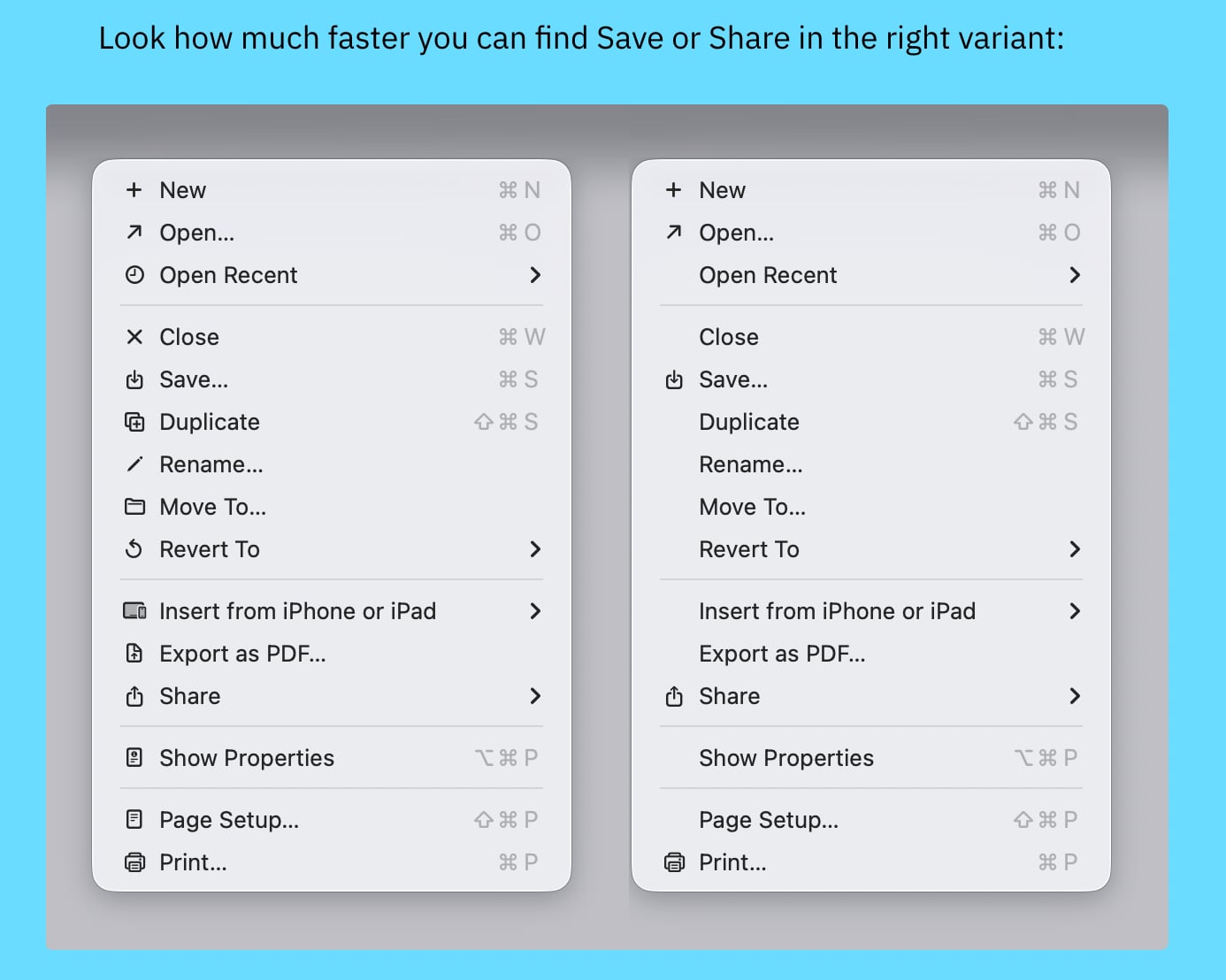
It’s hard to justify Tahoe icons. Partendo dalle linee guida di interfaccia umana del 1992 di Apple, una analisi molto critica delle nuove icone in macOS 26 Tahoe.
Uno degli errori principali è inserire icone per ogni azione:
Anche se non esistono sufficienti icone comprensibili da corrispondere a ogni icona, con questi risultati:
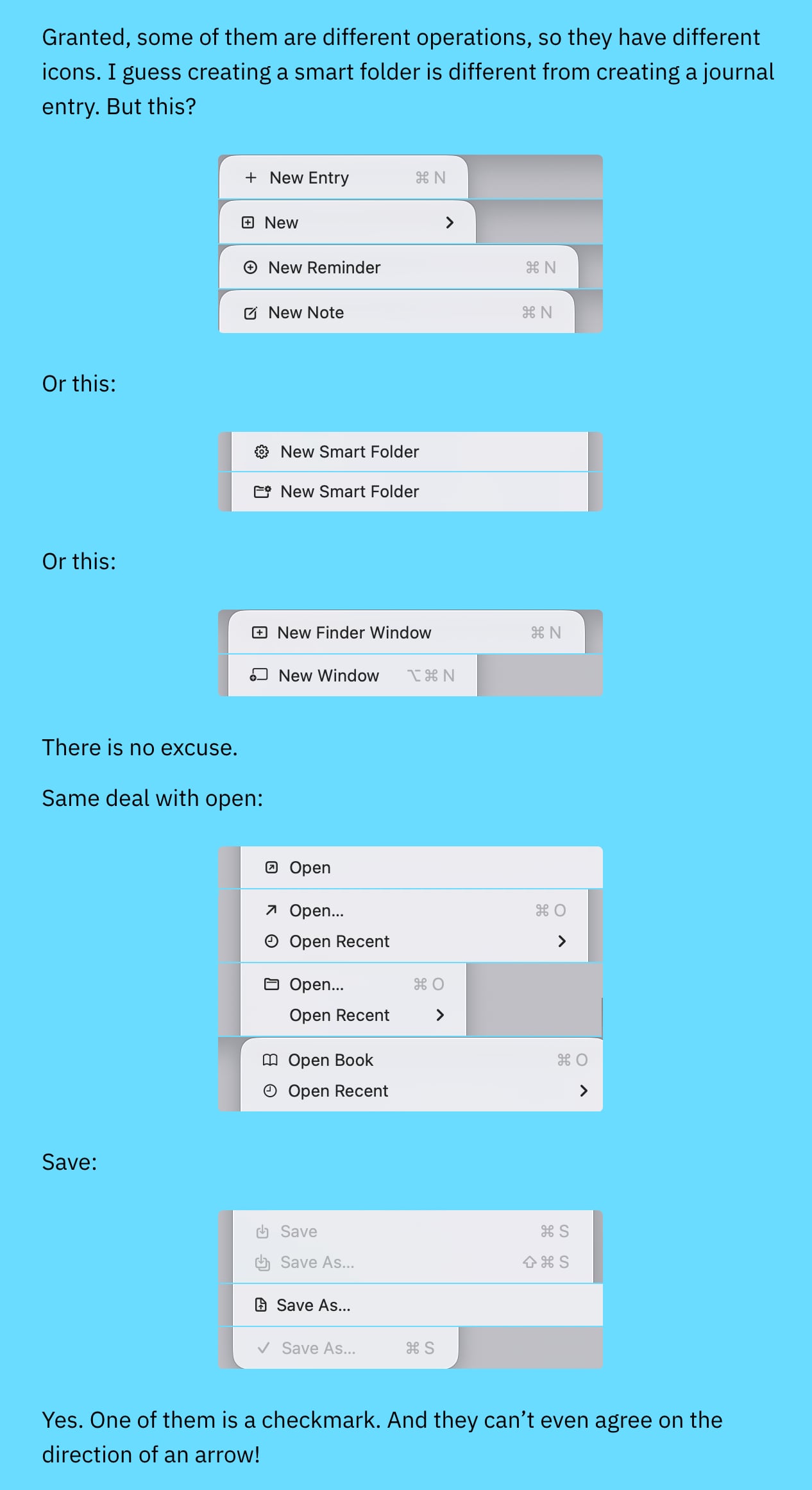
La conclusione:
In my opinion, Apple took on an impossible task: to add an icon to every menu item. There are just not enough good metaphors to do something like that.
But even if there were, the premise itself is questionable: if everything has an icon, it doesn’t mean users will find what they are looking for faster.
And even if the premise was solid, I still wish I could say: they did the best they could, given the goal. But that’s not true either: they did a poor job consistently applying the metaphors and designing the icons themselves.
Notevole risposta del CEO di Cloudflare alla sanzione di 14 milioni di euro per mancata adesione a Piracy Shield (di cui ho scritto qui):
[...] In addition, we are considering the following actions: 1) discontinuing the millions of dollars in pro bono cyber security services we are providing the upcoming Milano-Cortina Olympics; 2) discontinuing Cloudflare’s Free cyber security services for any Italy-based users; 3) removing all servers from Italian cities; and 4) terminating all plans to build an Italian Cloudflare office or make any investments in the country.
Play stupid games, win stupid prizes. [...]
Telegram aggiunge con lunghissimo ritardo il supporto ai chatbot AI con streaming dei token il 31 dicembre, e sia Perplexity che Microsoft Copilot disattivano i relativi bot Telegram. 😅
Nessuna notizia nemmeno dell'arrivo dell'integrazione di Grok su Telegram, deal strambo secondo cui Grok avrebbe dovuto pagare Telegram 300 milioni di dollari oltre a sobbarcarsi i costi di inferenza. Era stato annunciato in pompa magna da Durov, ora migliore amico di Musk, che però aveva smentito un accordo. Che declino Telegram.
L'azienda dietro Tailwind CSS è in crisi perché con l'AI nessuno compra più il pacchetto di componenti, che era la principale fonte di ricavi per pagare il team:
But the reality is that 75% of the people on our engineering team lost their jobs here yesterday because of the brutal impact AI has had on our business. And every second I spend trying to do fun free things for the community like this is a second I'm not spending trying to turn the business around and make sure the people who are still here are getting their paychecks every month.
Traffic to our docs is down about 40% from early 2023 despite Tailwind being more popular than ever. The docs are the only way people find out about our commercial products, and without customers we can't afford to maintain the framework. I really want to figure out a way to offer LLM-optimized docs that don't make that situation even worse (again we literally had to lay off 75% of the team yesterday), but I can't prioritize it right now unfortunately, and I'm nervous to offer them without solving that problem first.
[...]
Tailwind is growing faster than it ever has and is bigger than it ever has been, and our revenue is down close to 80%. Right now there's just no correlation between making Tailwind easier to use and making development of the framework more sustainable. I need to fix that before making Tailwind easier to use benefits anyone, because if I can't fix that this project is going to become unmaintained abandonware when there is no one left employed to work on it. I appreciate the sentiment and agree in spirit, it's just more complicated than that in reality right now.
(GitHub)
normattiva2md. onData ha fatto un tool per convertire i dati di Normattiva da XML a Markdown:
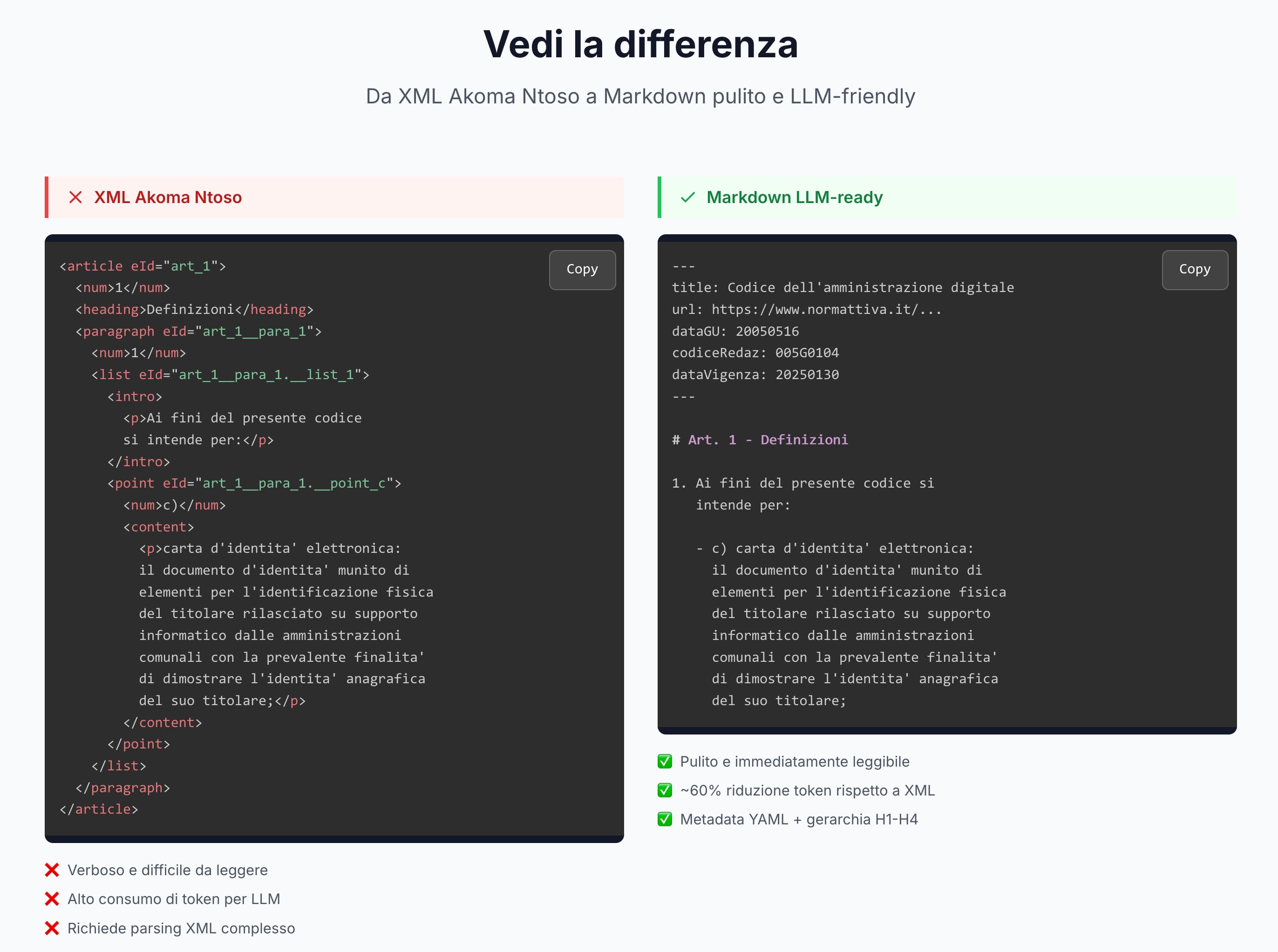
Scrive inoltre onData che:
In queste settimane in cui abbiamo lavorato a normattiva2md, abbiamo scoperto una novità importante: a decorrere dal 1° gennaio 2026, i dati di Normattiva sono finalmente dati aperti. È possibile scaricarli e utilizzarli con licenza Creative Commons CC BY 4.0.
Non troviamo il link alla pagina “dati” nei menu del sito, ma l’URL si trova utilizzando i motori di ricerca: https://dati.normattiva.it/home.
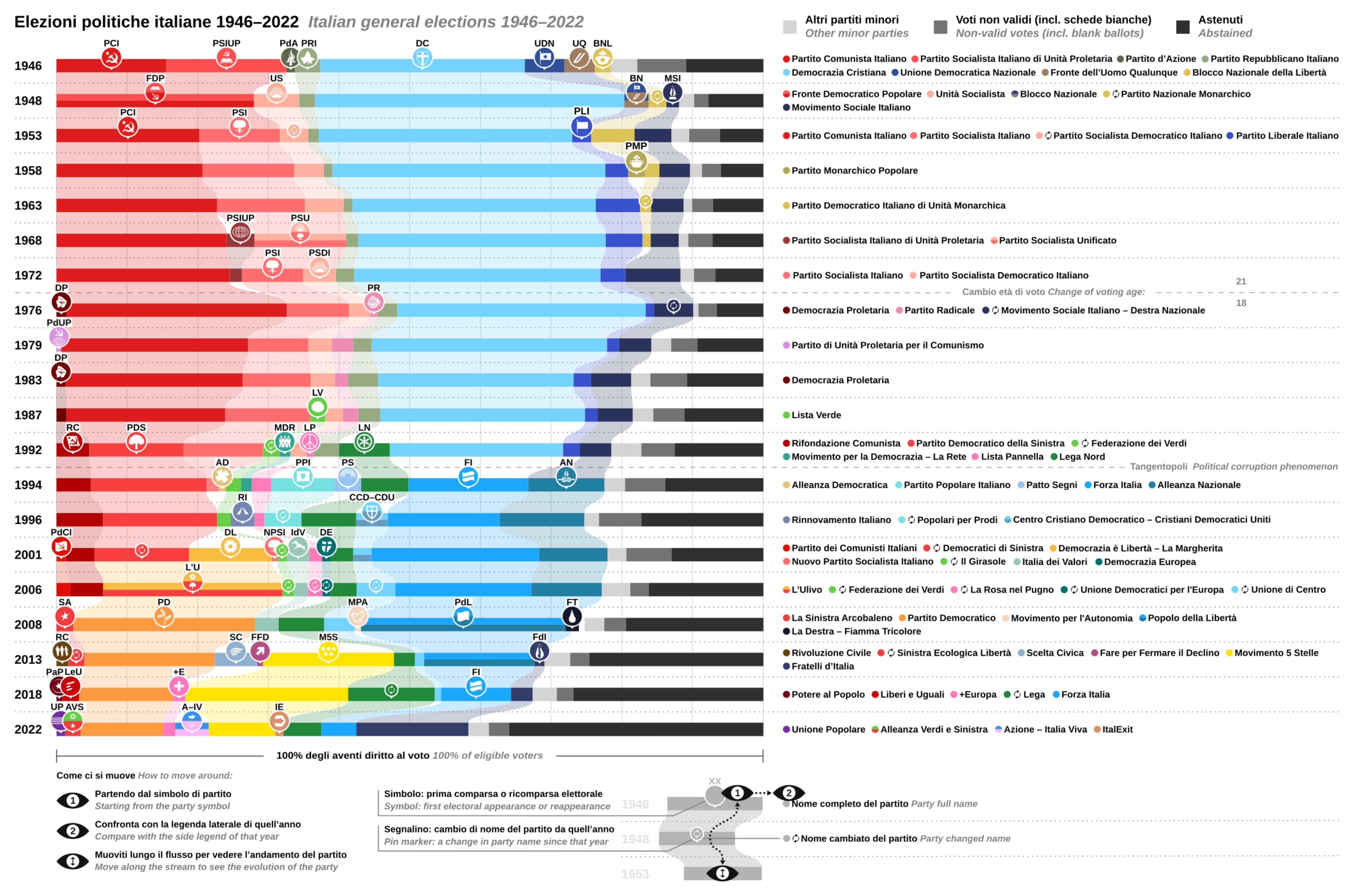
Notevole infografica da Wikipedia con i risultati delle elezioni politiche nella Repubblica:
Bello che nelle "radio" Spotify (playlist partendo da un brano) ora si può scegliere se le si vuole personalizzate in base ai propri ascolti, con più "nuove scoperte", ecc.

Honey’s Dieselgate: Detecting and Tricking Testers:
MegaLag’s December 2024 video introduced 18 million viewers to serious questions about Honey, the widely-used browser shopping plug-in—in particular, whether Honey abides by the rules set by affiliate networks and merchants, and whether Honey takes commissions that should flow to other affiliates. [...] Honey was plainly breaking the rules.
As it turns out, Honey’s misconduct is considerably worse than MegaLag, I, or others knew. When Honey is concerned that a user may be a tester—a “network quality” employee, a merchant’s affiliate manager, an affiliate, or an enthusiast—Honey designs its software to honor stand down in full. But when Honey feels confident that it’s being used by an ordinary user, Honey defies stand down rules.
Il classico riassunto annuale di Simon Willison sull'AI nell'anno passato. L'indice:
It’s been a year filled with a lot of different trends.
- The year of “reasoning”
- The year of agents
- The year of coding agents and Claude Code
- The year of LLMs on the command-line
- The year of YOLO and the Normalization of Deviance
- The year of $200/month subscriptions
- The year of top-ranked Chinese open weight models
- The year of long tasks
- The year of prompt-driven image editing
- The year models won gold in academic competitions
- The year that Llama lost its way
- The year that OpenAI lost their lead
- The year of Gemini
- The year of pelicans riding bicycles
- The year I built 110 tools
- The year of the snitch!
- The year of vibe coding
- The (only?) year of MCP
- The year of alarmingly AI-enabled browsers
- The year of the lethal trifecta
- The year of programming on my phone
- The year of conformance suites
- The year local models got good, but cloud models got even better
- The year of slop
- The year that data centers got extremely unpopular
- My own words of the year
- That’s a wrap for 2025
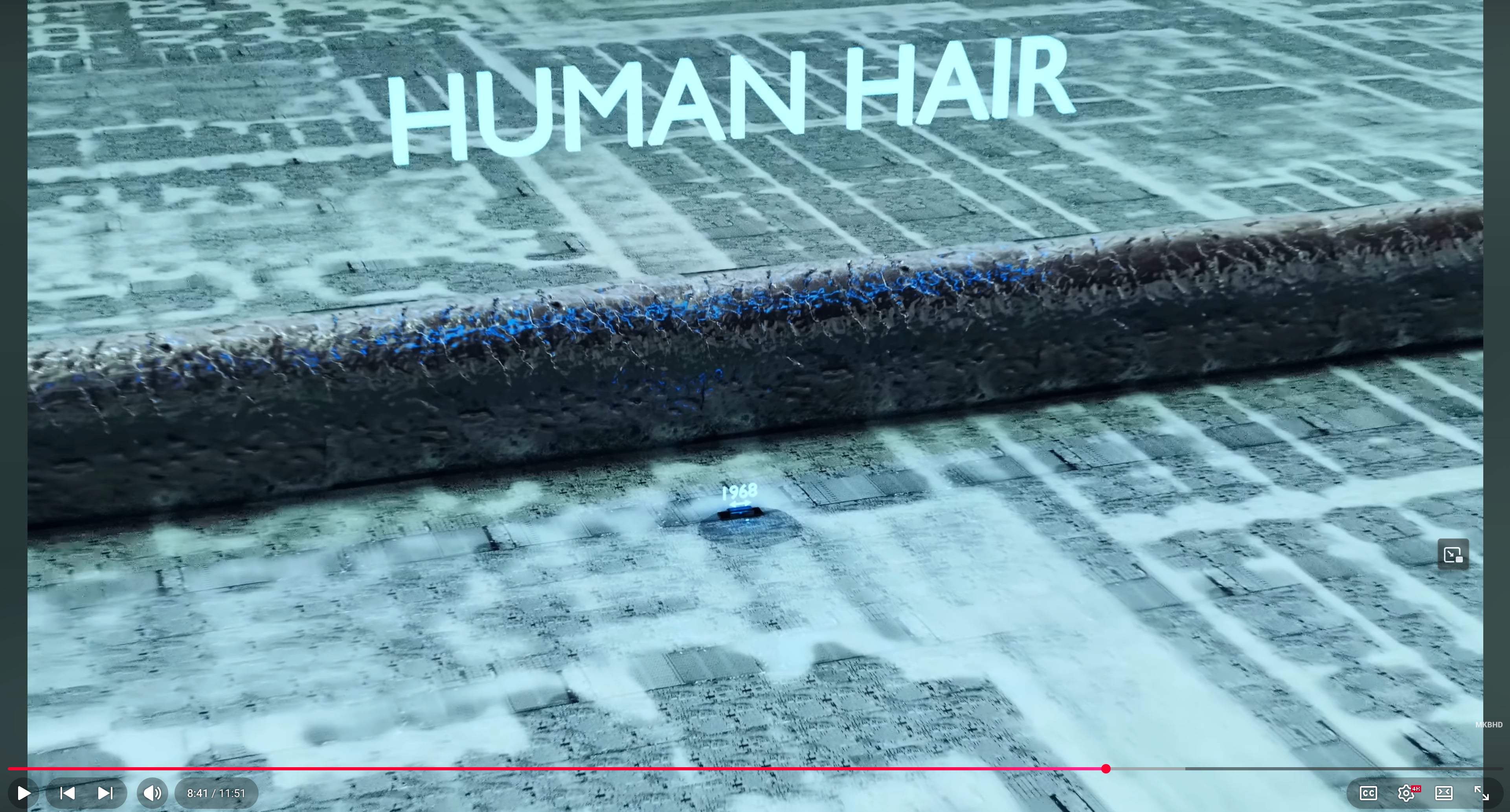
I shrunk down into an M5 chip: pazzesco video di Marques Brownlee sulla incredibile scala dei microchip odierni con processo di produzione 3nm.
A volte sorprende come le grandi aziende prendano così poco seriamente la sicurezza e che sia impossibile segnalare vulnerabilità:
Despite its vast wealth, Condé Nast lacks a security.txt file that explains how to report a vulnerability to them. Nowhere on its site did it plainly explain how to report a vulnerability to them.
Trying to help Condé Nast avoid compromise of what was described to me as a serious vulnerability risking more than 33 million users’ accounts, I reached out to people I know at WIRED. I also reached out to Condé Nast but received no replies from them.
Segmentation fault in una build TypeScript mi giunge nuova:
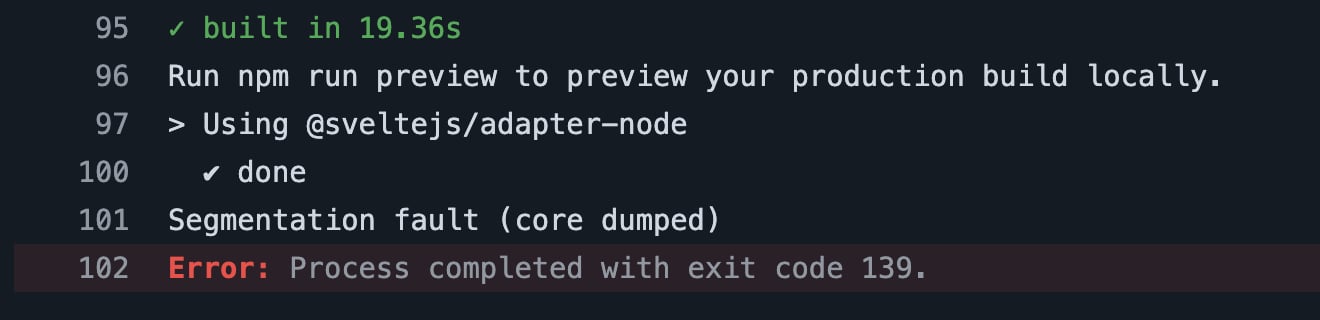
EDIT: era colpa di una libreria con binding Rust, il che ha ancora meno senso in realtà.
Nel 2025 sono cambiate molte cose nella mia vita, una è che passo sempre meno tempo sui social. A un certo punto per me è diventato tutto troppo: la polemica costante, la distrazione costante, la brodaglia dei contenuti tutti uguali, l’esibizione di sé, gli attacchi personali, l’instupidimento di ogni questione. Lo so che non sono fenomeni che riguardino ogni persona e ogni account, ma le aziende che gestiscono i social media spingono sempre e solo da quella parte e si sente.
Nuovo mini progetto work in progress:

Bi-weekly: occurring every two weeks or twice a week.
Ah beh, adesso sì che è chiaro.
> Ho un problema col computer
> Ok madre. Esponimi dunque i tuoi problemi
> Non c'è più Google
> Vai su Google.com
> Ti ho detto che non posso! C'è una pagina sui tassi d'interesse
Continua sul sito di Zerocalcare (2013).
Tre settimane fa mia madre mi ha scritto: «Non riesco più a fare acquisti sul Kindle, a Natale dovrai aiutarmi». Io vivo a Milano, mia madre in Sicilia e a quanto pare a Natale, quando tornerò dai miei genitori, farò il tecnico informatico. Perché so già che il Kindle malfunzionante è solo la punta dell’iceberg di difficoltà tecnologiche che si sono formate nel corso di mesi. I device problematici compariranno sulla tavola del pranzo di Natale appena avrò bevuto l’ultimo bicchiere di passito e avrò allontanato la sedia, dimostrando di essere sazia, e quindi – nella logica di mia madre – disponibile.
[...] Quel che è sicuro è che loro lo sanno e se ne approfittano. Stento a credere, per esempio, che una settantaduenne perfettamente lucida come mia madre avrebbe difficoltà a imparare le competenze digitali di base, mi pare piuttosto che eserciti un diritto tecnologico universale su cui tutti gli anziani del mondo sembrano essersi segretamente accordati.
Francesca Mastruzzo, continua sul Post.
.svg)