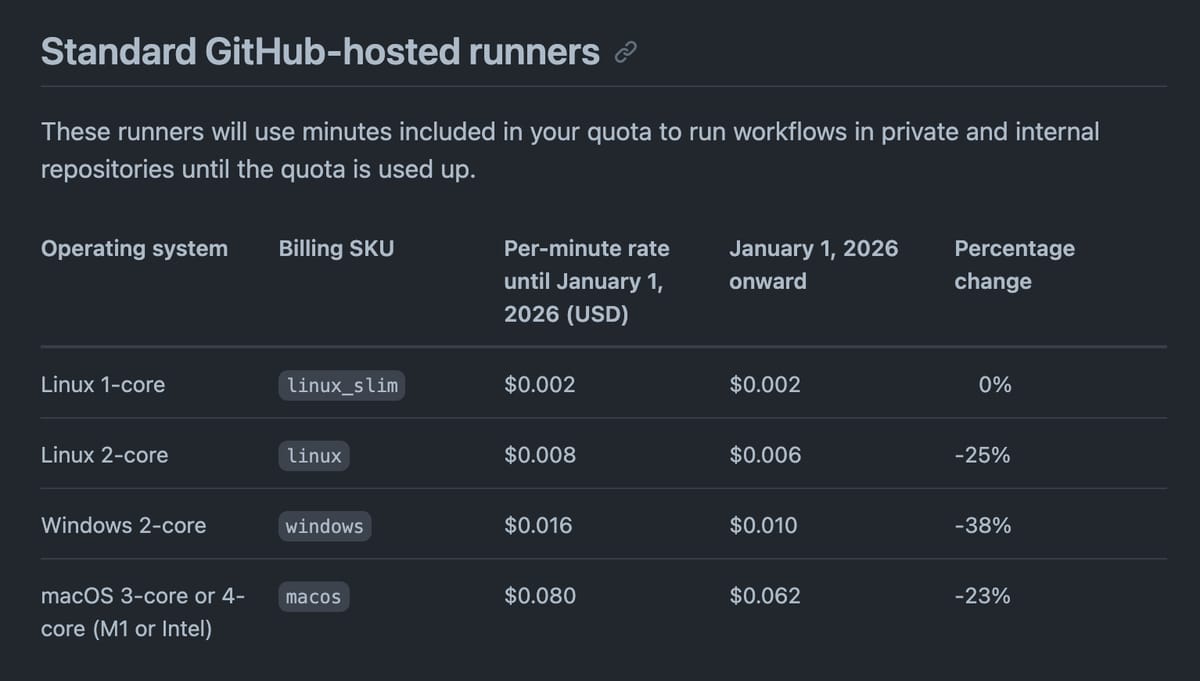
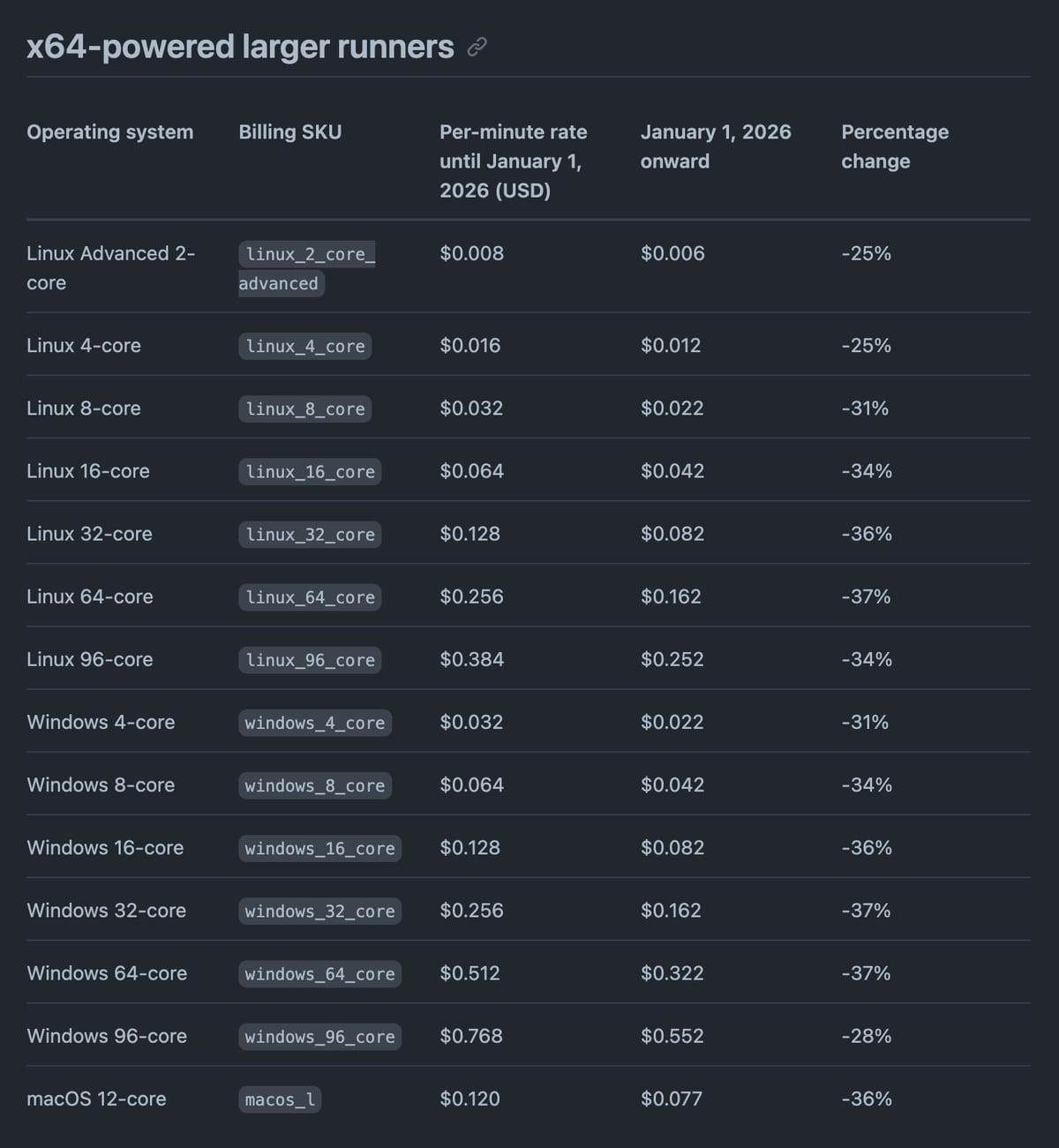
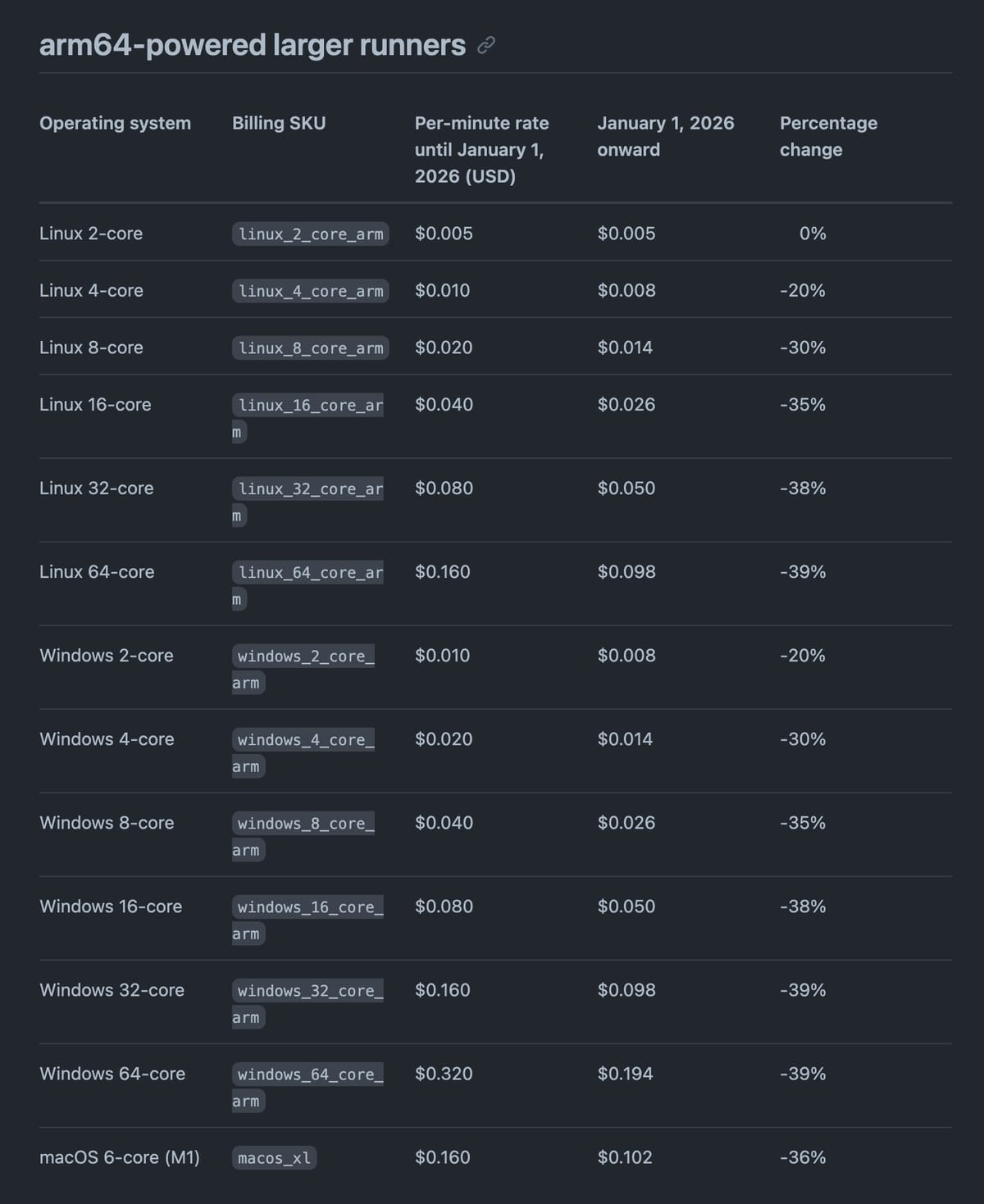
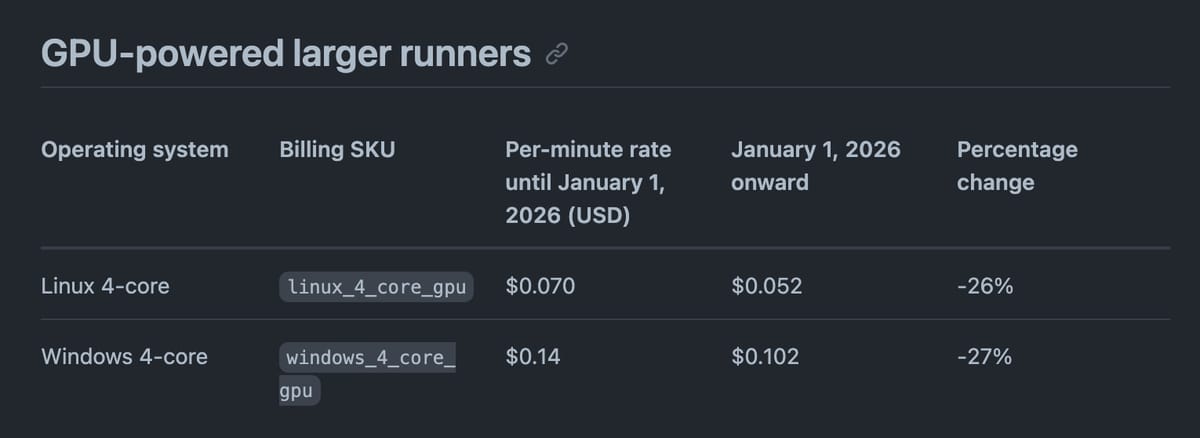
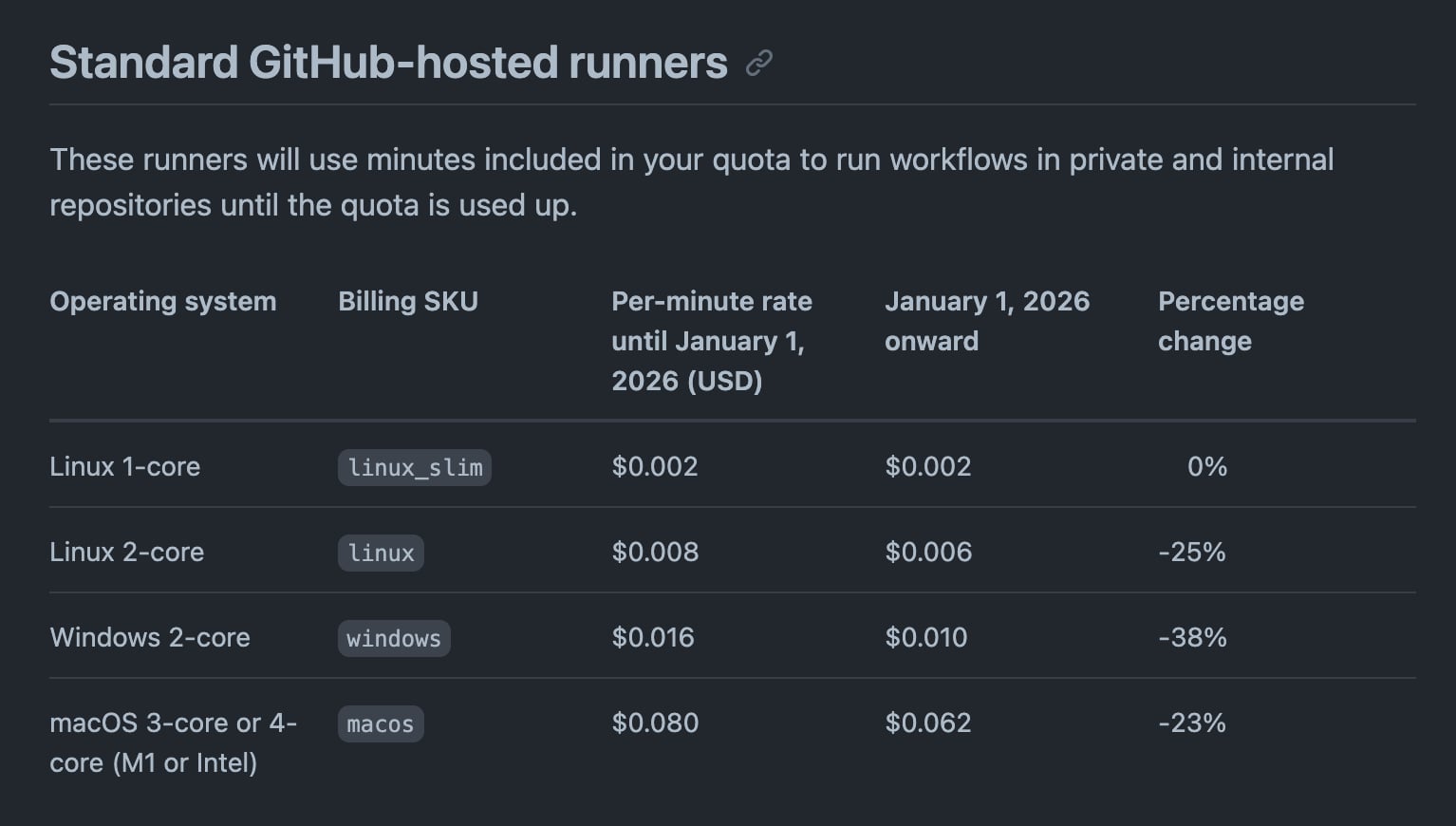
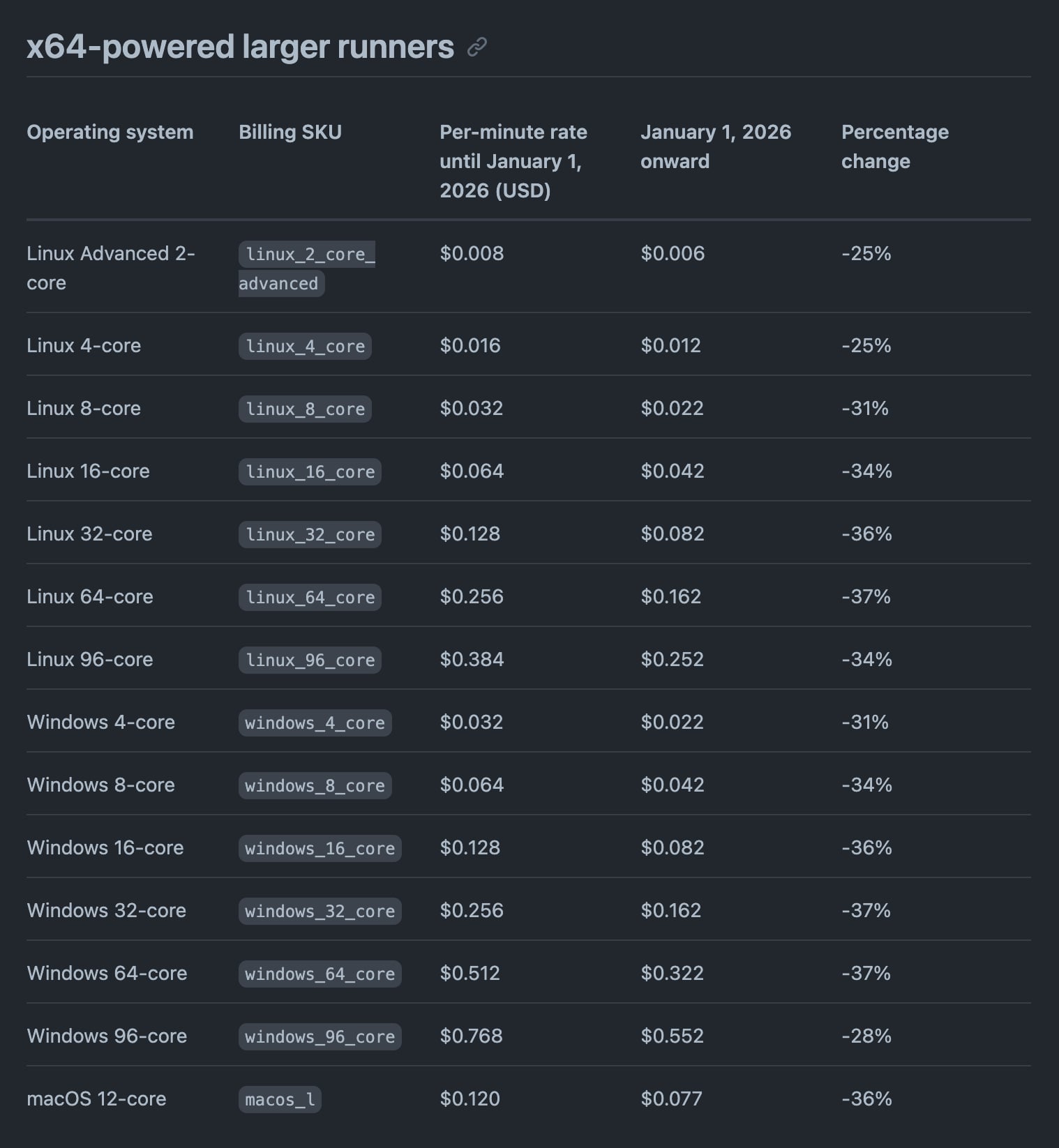
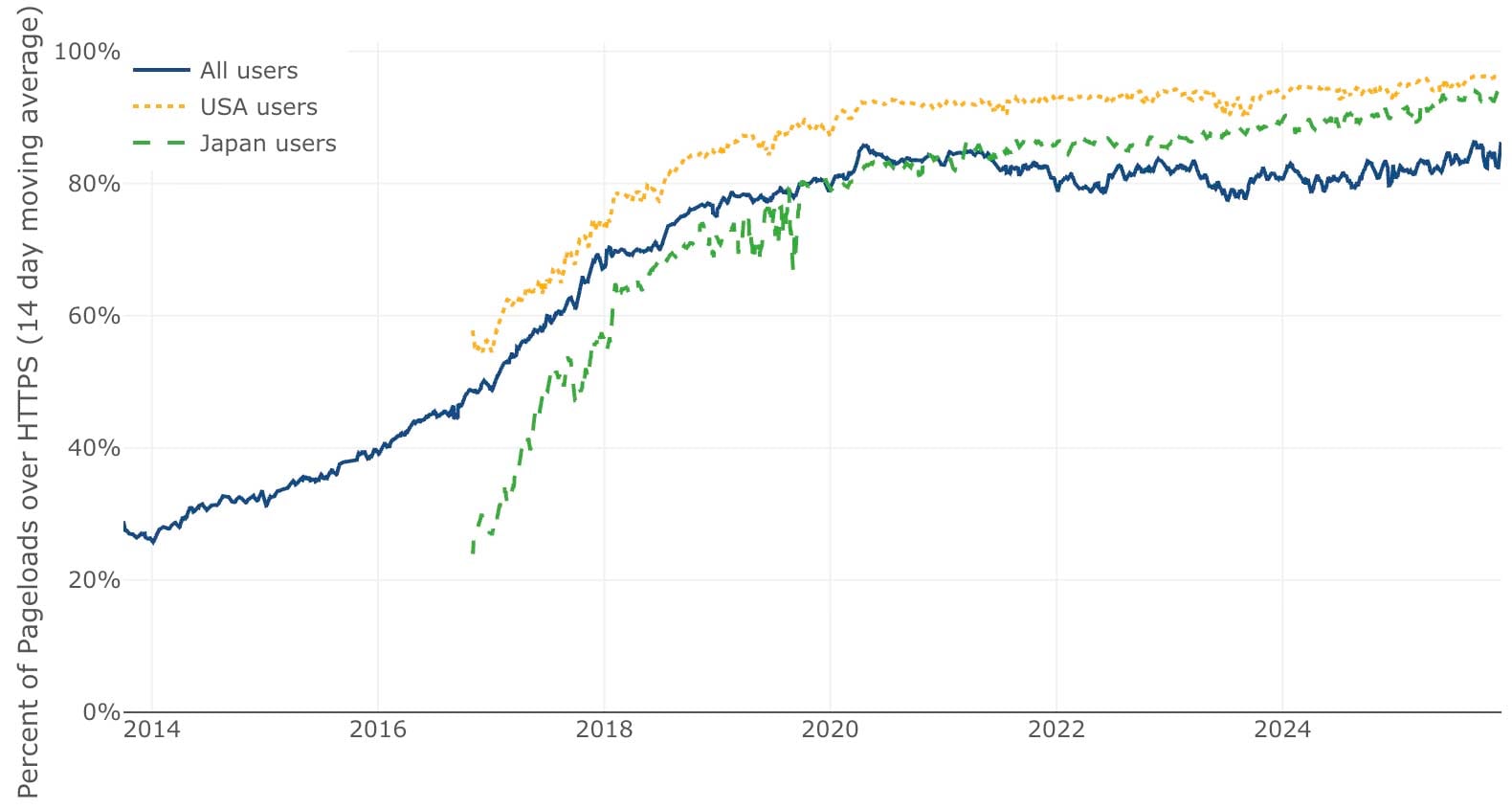
AWS Lambda networking over IPv6 is here!
Numeri sulla migrazione di Mezmo da Elasticsearch a Quickwit.
Con Elasticsearch:
(800 MB - 2 GB di integestion al secondo)
Con Quickwit (che è pazzesco!):
TIL il sistema di geoposizionamento what3words:
what3words è un modo molto semplice per comunicare la propria posizione geografica. A ogni 3 metri quadrati della superficie terrestre corrisponde un indirizzo unico di 3 parole che rimarrà sempre uguale. L'ordine e la composizione di queste parole è unica, facile da leggere, da condividere e da utilizzare.
Esempio: ///andiamo.mummia.visuali
io penso che le piste ciclabili non dovrebbero esistere.
le strade in città dovrebbero avere l’intera carreggiata riservata totalmente a biciclette, bici a pedalata assistita, monopattini, hoverboard, con i marciapiedi, magari allargati, per i pedoni, e con corsie per i mezzi pubblici ovviamente.
le automobili, per quel poco che ancora possono esistere in un secolo che non è piu il loro, dovrebbero poter circolare solo in poche arterie principali con una corsia rigorosamente destinata a loro, ben separata, comunque con forti limiti di velocità.
quindi si, penso che le piste ciclabili siano qualcosa di sbagliato, perché implicano troppo poco spazio e troppo circoscritto per le biciclette, e da questo punto di vista rappresentano qualcosa di anacronistico
Telegram che mi sospende TrackBot senza apparente motivo per 40 minuti è una novità:
In Francia i provider DNS devono bloccare domini su richiesta anche in assenza di una sentenza (ricorda qualcosa...):
We sought legal advice, and unfortunately discovered that French law, specifically Article 6-I-7 of the Loi pour la Confiance dans l'Économie Numérique (LCEN), might actually require us to respond and apply blocking measures, at least for French users.
That said, this whole situation shows just how inadequate this regulation is. Such decisions should be made by a court — a private company shouldn’t have to decide what counts as “illegal” content under threat of legal action.
(Adguard)
TIL Nano Banana per la generazione di immagini AI non è un diffusion model ma autoregressive, a differenza delle generazioni precedenti di Imagen e a differenza di DALL-E 2 e 3. E Midjourney e Stable Diffusion.
Of note, gpt-image-1, the technical name of the underlying image generation model, is an autoregressive model. While most image generation models are diffusion-based to reduce the amount of compute needed to train and generate from such models, gpt-image-1 works by generating tokens in the same way that ChatGPT generates the next token, then decoding them into an image. It’s extremely slow at about 30 seconds to generate each image at the highest quality (the default in ChatGPT), but it’s hard for most people to argue with free.
In August 2025, a new mysterious text-to-image model appeared on LMArena: a model code-named “nano-banana”. This model was eventually publically released by Google as Gemini 2.5 Flash Image, an image generation model that works natively with their Gemini 2.5 Flash model. Unlike Imagen 4, it is indeed autoregressive, generating 1,290 tokens per image. After Nano Banana’s popularity pushed the Gemini app to the top of the mobile App Stores, Google eventually made Nano Banana the colloquial name for the model as it’s definitely more catchy than “Gemini 2.5 Flash Image”.
When people describe someone in a professional setting as “young,” I usually find this translates to either “somewhat incompetent” or “good at their job but gratingly unprofessional.” Knowing the former was not going to be an issue at Cursor, I was prepared for at least some of the latter.
Despite a young average age, I was pleasantly surprised to find the team instead to be warm, well-dressed, keen on eye contact, clear and respectful in communication, and assiduous about replacing empty toilet paper rolls on the dispenser of the shared bathrooms. I was also surprised to find people so young so often communicate their ideas by reference to Silicon Valley history, world history, pop culture, art, learnings from seemingly unrelated industries, and patterns they’ve observed in the work of others they’ve long admired. The range of references is wide, but what’s clear in every example is that people at Cursor study the world as they move through it, rather than rely exclusively on their own personal experience for all their context and idea-generation (a typical pitfall of “young” people). It makes the team particularly good at finding elegant solutions to many shapes of problems.
To share what they’re observing and learning, many team members create “brain” channels in Slack where they publish their personal musings; there’s no expectation of a response or engagement, but people with good ideas can command quite a following. For the most popular brain channels, the content has little to do with “proof of work” or “managing up,” but rather ideas and reflections. Recent examples include musings on whether “CMSes are an artifact of the pre-AI era,” a deeply considered readout from a slew of customer visits, and a very exacting friction log on a still-nascent Cursor product.
Perhaps most importantly to me, you won’t see much LFGGGGGG, talk of being “cracked,” or overuse of emojis or memes. Recent favorite non-work related messages include an invitation to Vivaldi’s The Four Seasons at the SF Symphony, a picture from respective NY and SF 9pm run clubs, friendly mockery at a bad take on AI in the The New Yorker, an entire channel dedicated to #laundry featuring a weekly “laundry standup” slackbot, debates about how to fold fitted sheets, and a poll about which humanoid robot will first make our beds. No one ever breaks character. By far, the most used reaction emoji is ♥️. No one raises their voices, gets angsty or flustered, or visibly panics when things go sideways. It all feels very…adult.
Brie Wolfson in Inside Cursor - Sixty days with the AI coding decacorn
È quasi pronto IT Wallet nell'app IO, un passo ulteriore rispetto a Documenti su IO, come avevo scritto.
(da varie PR della repository GitHub)
TIL con un file .git-blame-ignore-revs si possono ignorare determinati commit dall'output "blame" su GitHub (o con git blame --ignore-revs-file .git-blame-ignore-revs), utile quando si fanno refactoring o si modifica la formattazione ma non la funzionalità.
I tend to stay up late, not because I'm partying but because it's the only time of the day when I'm alone and don't have to be on, performing.
Performance Improvements in .NET 10: notevolissimi miglioramenti di prestazioni (CPU e memoria) in .NET 10, anche con ottimizzazioni delle espressioni regolari compilate.
Google sta riscrivendo pezzi di Android che prima erano in C++ in Rust, con notevoli risultati dal punto di vista della sicurezza:
With roughly 5 million lines of Rust in the Android platform and one potential memory safety vulnerability found (and fixed pre-release), our estimated vulnerability density for Rust is 0.2 vuln per 1 million lines (MLOC).
Our historical data for C and C++ shows a density of closer to 1,000 memory safety vulnerabilities per MLOC. Our Rust code is currently tracking at a density orders of magnitude lower: a more than 1000x reduction.
L'nginx ingress di Kubernetes sarà dismesso (nessun aggiornamento nemmeno di sicurezza) da marzo 2026, senza evidenti alternative equivalenti. Wow.
La nuova app WhatsApp per Windows non è più nativa. La versione web wrapper consuma fino a 10 volte la memoria dell'app nativa...
Nuovo articolo sul blog: Il digitale secondo Trentino Trasporti (parte 3).
Fa parte di un servizio digitale anche la comunicazione, specialmente nella pubblica amministrazione dove c’è l’abitudine a usare un linguaggio burocratico anche nelle comunicazioni al pubblico, spesso dimenticandosi che si sta parlando con delle persone.
Questa volta diamo quindi un’occhiata alla pagina FAQ risposte in un clic di Trentino Trasporti, una buona idea purtroppo realizzata in modo mediocre. I testi sono pieni di errori (ho contato almeno 9 errori di battitura e molti altri di sintassi) e sono scritti male, cioè di difficile comprensione.
Lo stile è troppo distante dalle indicazioni del Manuale operativo di design dei servizi pubblici digitali, dai fondamenti di linguaggio e dalla Guida al linguaggio della Pubblica Amministrazione, che sono i riferimenti ufficiali a livello nazionale.
Come riassume bene il manuale, l’obiettivo dovrebbe essere “scrivere per le persone” e “parlare la lingua delle persone per servizi più utili e accessibili”.
Vediamo qualche esempio di cosa non è la lingua delle persone.
Interessante in Firefox 145: lo shortcut sul desktop non è più uno shortcut ma un piccolo launcher eseguibile.
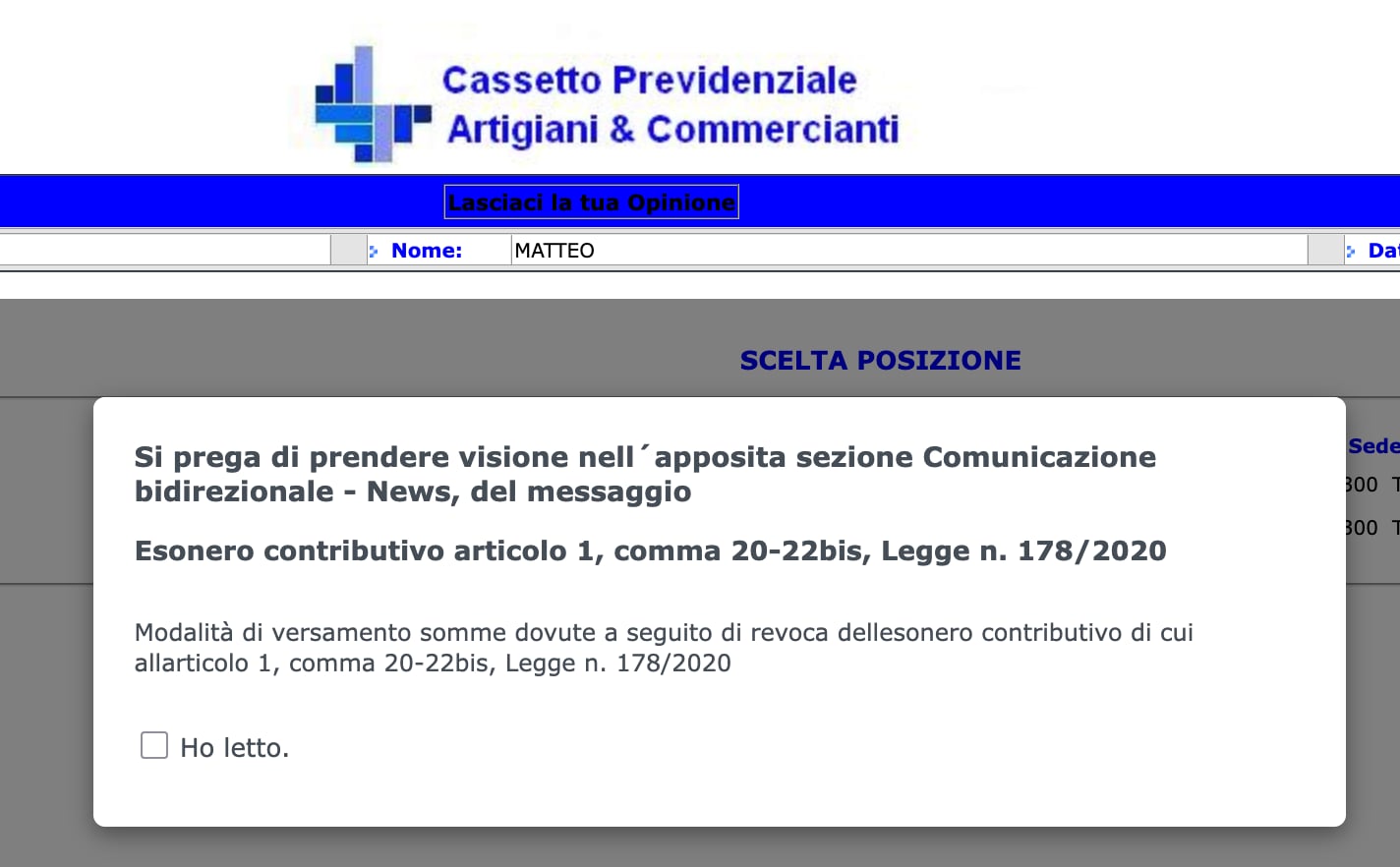
Scrivere male per soddisfare il linguaggio burocratico:
Posso viaggiare con la bici elettrica o monopattino elettrico?
Si ma solo sui treni della linea ferroviaria Trento-Malè-Mezzana e Trento Bassano del Grappa e sulla Funivia Trento Sardagna in quanto sussiste una rastrelliera dedicata alle biciclette.
"Sussiste una rastrelliera"?