La region OVHcloud di Milano con 3 AZ è live.
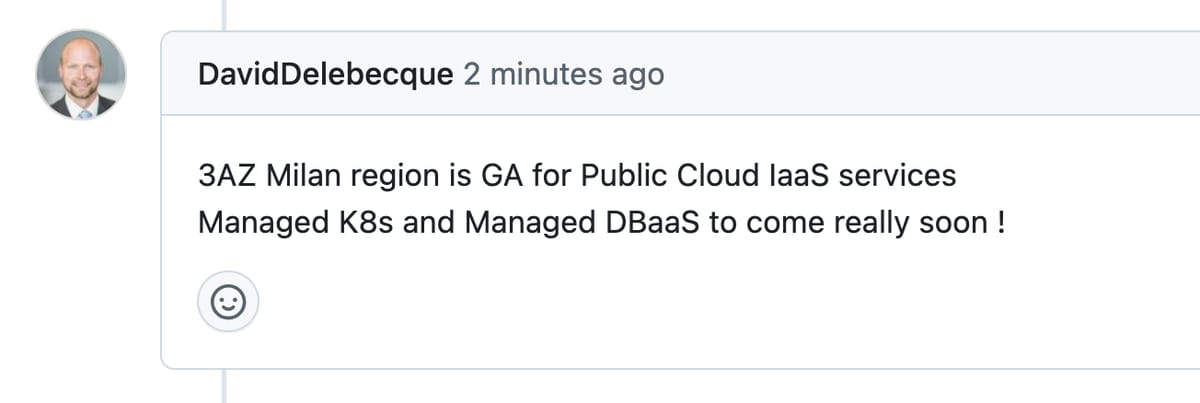
La region OVHcloud di Milano con 3 AZ è live.
When you create a pull request in GitHub, click on the Files changed tab, and scroll through the diff. Anywhere you’ve done something new that’s not already explained by in-code comments, add a comment in the GUI about what you did and why.
- Often, it’s stuff that’s not important enough for in-code commentary, but is useful for the reviewer to know.
- Sometimes, it’s stuff that should actually be documented in the code, and this is a good time to go back and add it.
- Every now and then, you’ll notice a bug in your own code because you’re reading it with fresh eyes, in a different format than your text editor.
It’s a simple behavior change that adds maybe 5 or 10 minutes to the time it takes to setup a PR, but it’s saved me so many headaches, and makes life for whoever reviews your PR a lot easier, too!
AWS Lambda networking over IPv6 is here!
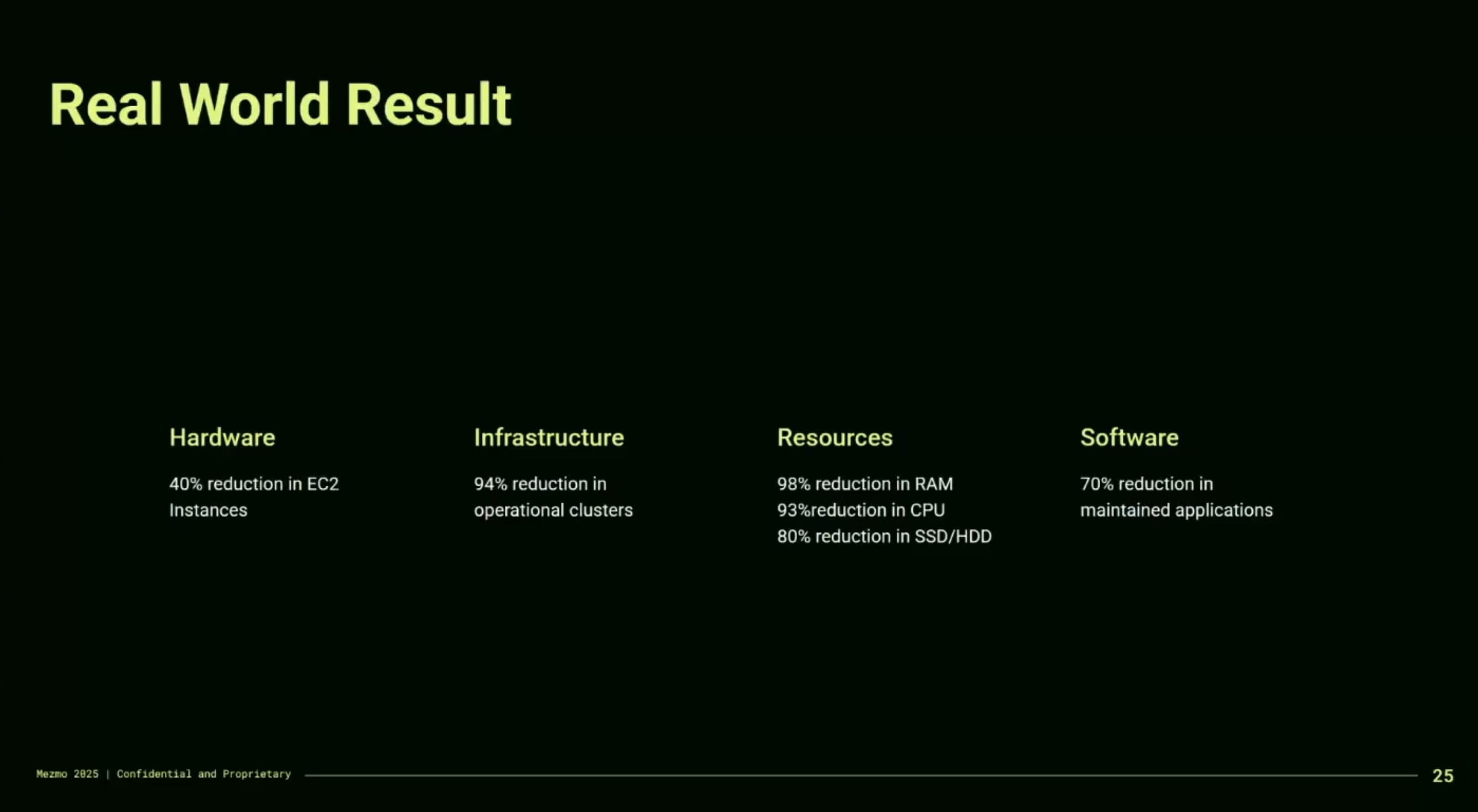
Numeri sulla migrazione di Mezmo da Elasticsearch a Quickwit.
Con Elasticsearch:

(800 MB - 2 GB di integestion al secondo)
Con Quickwit (che è pazzesco!):
Telegram che mi sospende TrackBot senza apparente motivo per 40 minuti è una novità:

In Francia i provider DNS devono bloccare domini su richiesta anche in assenza di una sentenza (ricorda qualcosa...):
We sought legal advice, and unfortunately discovered that French law, specifically Article 6-I-7 of the Loi pour la Confiance dans l'Économie Numérique (LCEN), might actually require us to respond and apply blocking measures, at least for French users.
That said, this whole situation shows just how inadequate this regulation is. Such decisions should be made by a court — a private company shouldn’t have to decide what counts as “illegal” content under threat of legal action.
(Adguard)
È quasi pronto IT Wallet nell'app IO, un passo ulteriore rispetto a Documenti su IO, come avevo scritto.
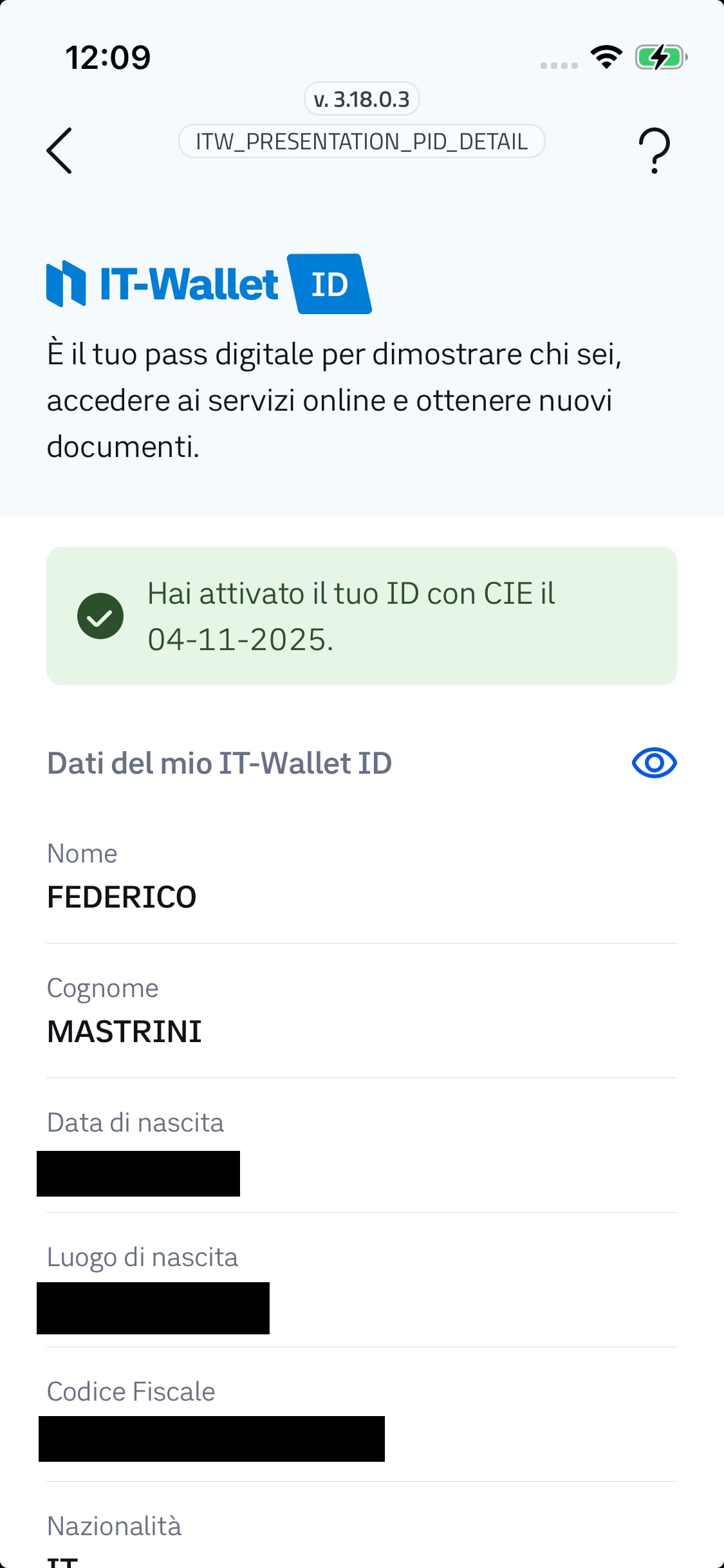
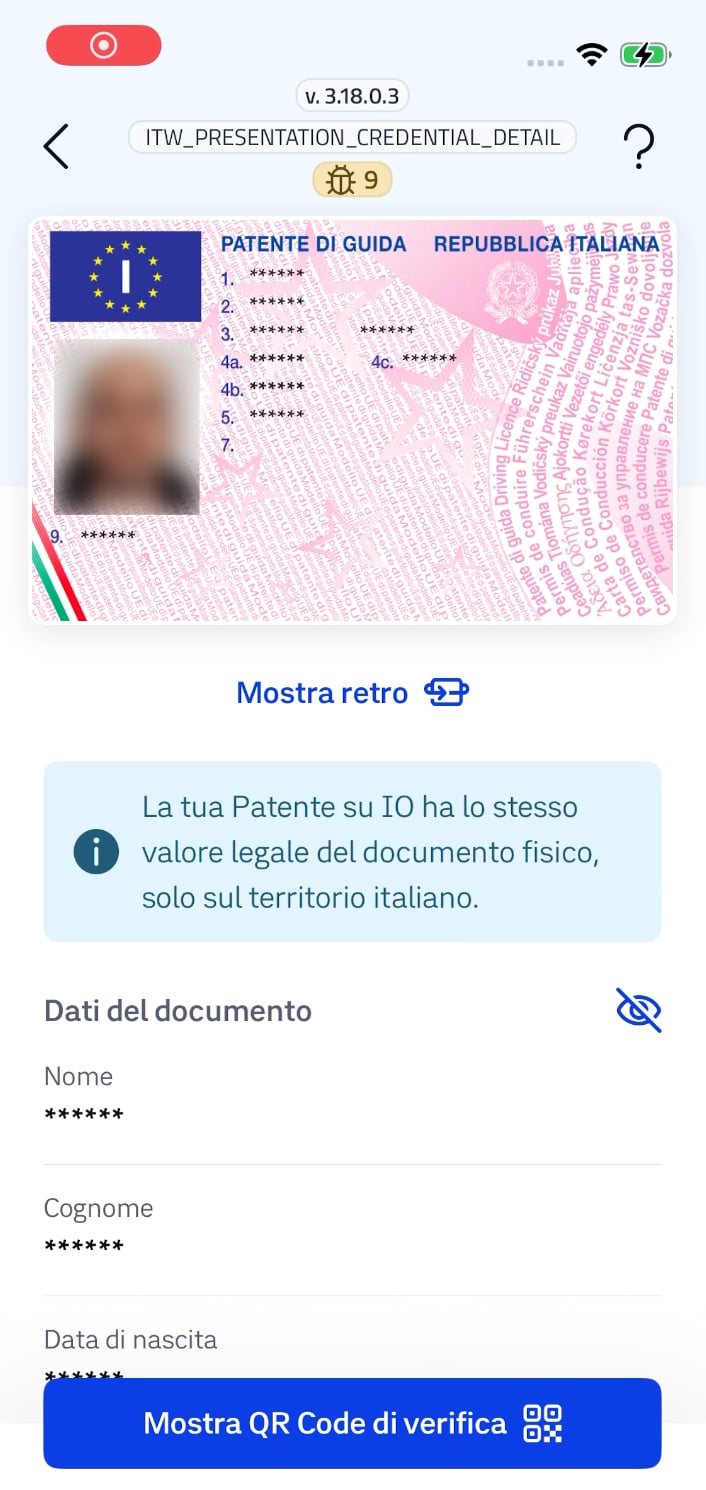
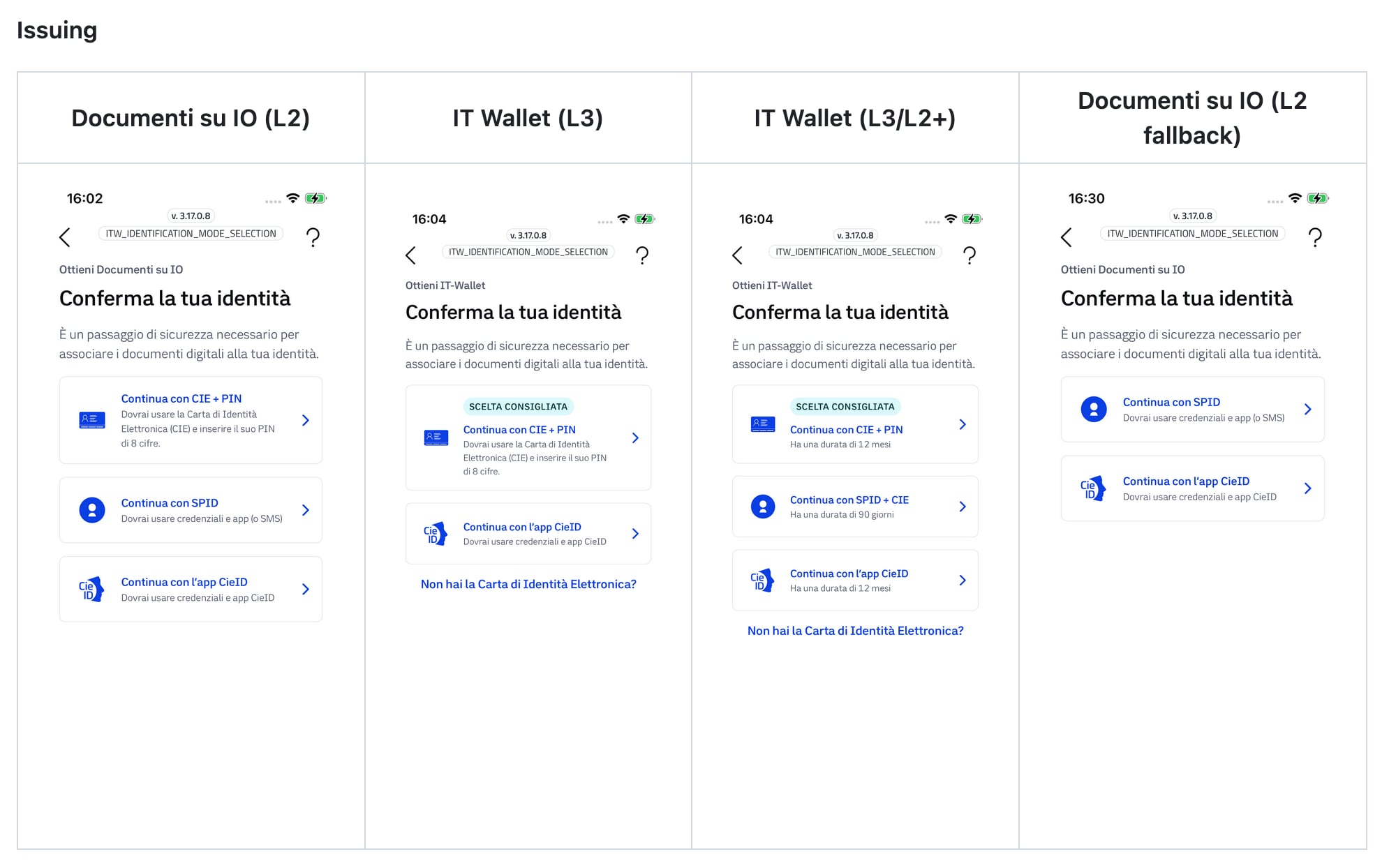
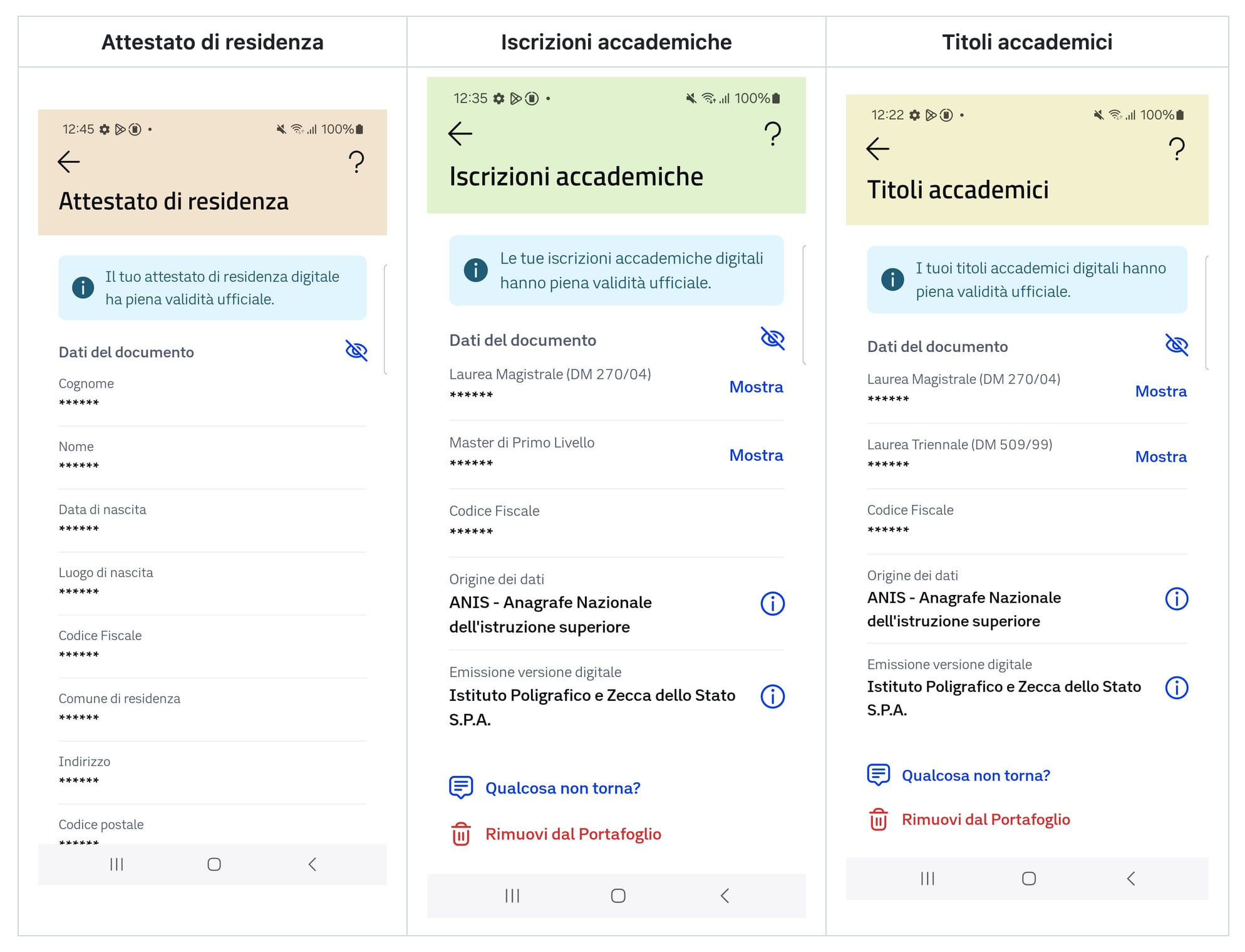
(da varie PR della repository GitHub)
Google sta riscrivendo pezzi di Android che prima erano in C++ in Rust, con notevoli risultati dal punto di vista della sicurezza:
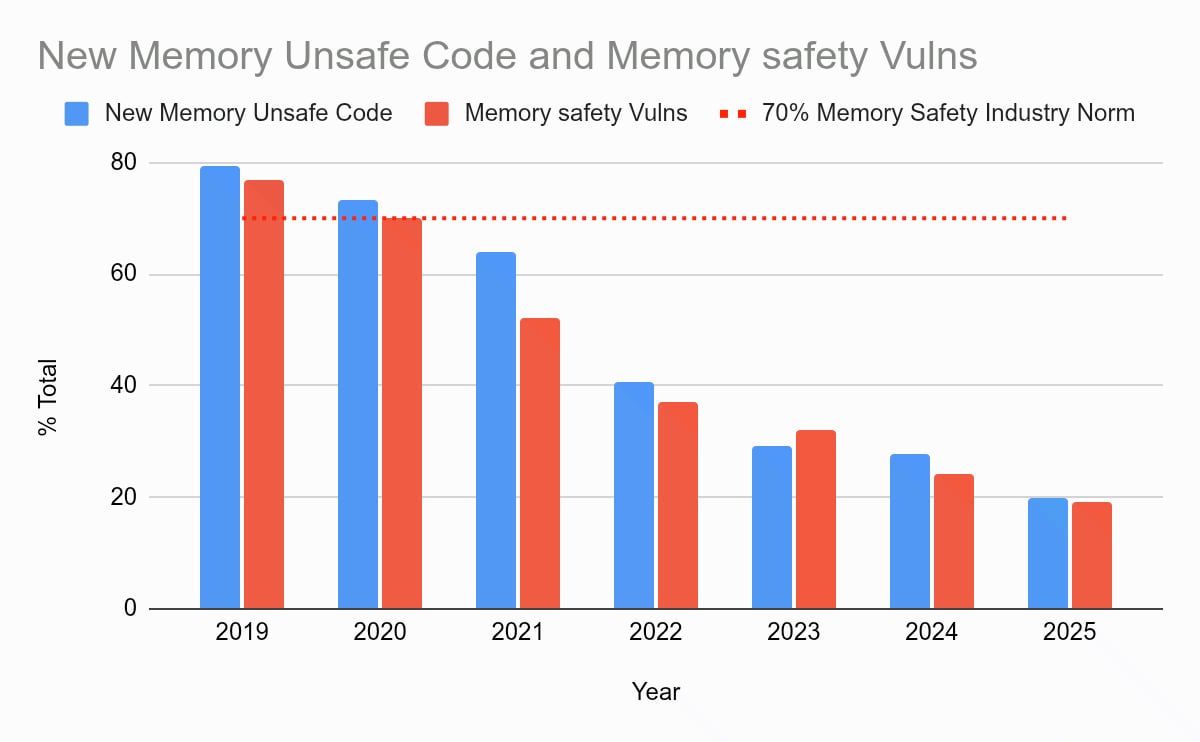
With roughly 5 million lines of Rust in the Android platform and one potential memory safety vulnerability found (and fixed pre-release), our estimated vulnerability density for Rust is 0.2 vuln per 1 million lines (MLOC).
Our historical data for C and C++ shows a density of closer to 1,000 memory safety vulnerabilities per MLOC. Our Rust code is currently tracking at a density orders of magnitude lower: a more than 1000x reduction.
L'nginx ingress di Kubernetes sarà dismesso (nessun aggiornamento nemmeno di sicurezza) da marzo 2026, senza evidenti alternative equivalenti. Wow.
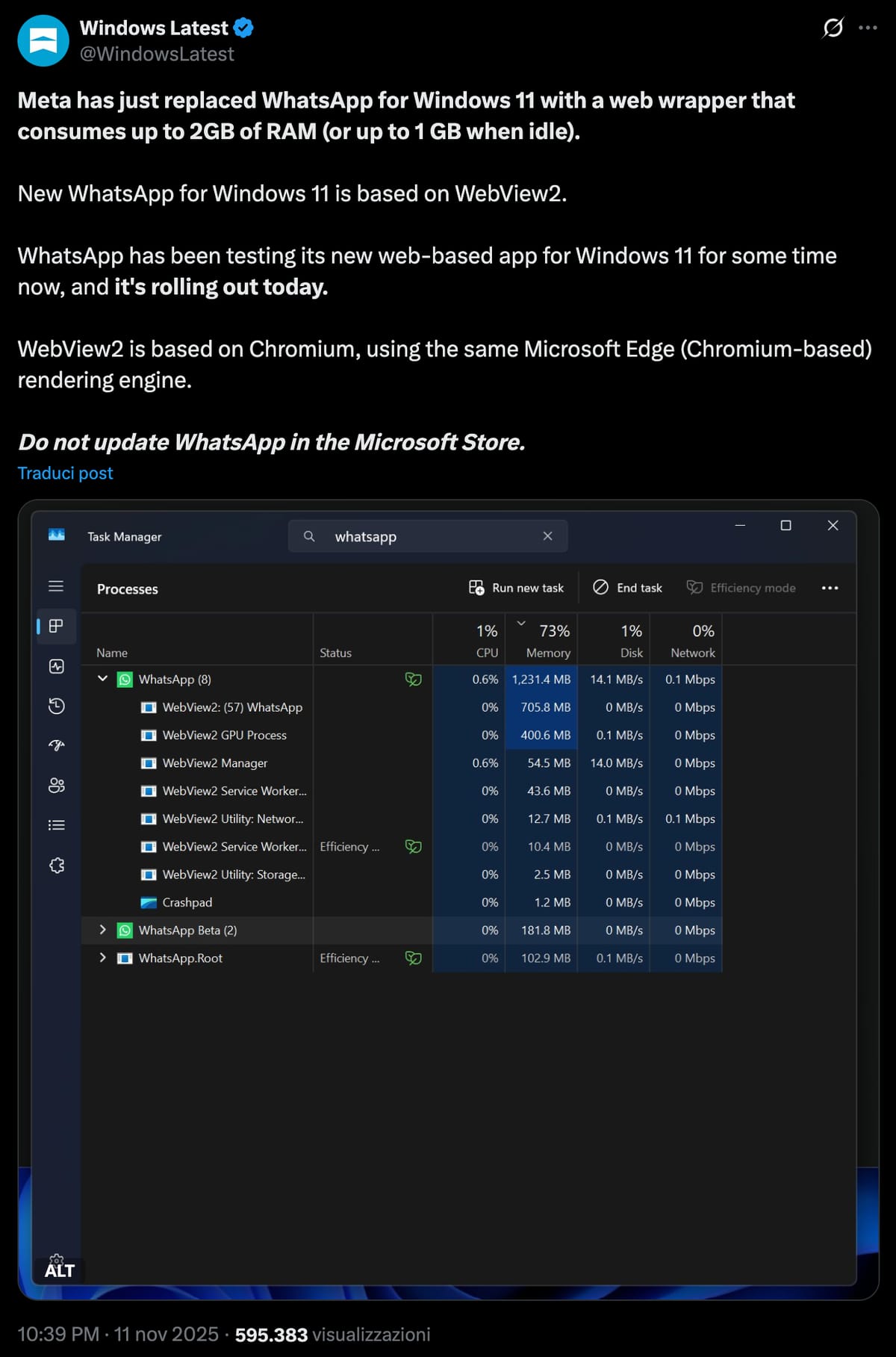
La nuova app WhatsApp per Windows non è più nativa. La versione web wrapper consuma fino a 10 volte la memoria dell'app nativa...
Nuovo articolo sul blog: Il digitale secondo Trentino Trasporti (parte 3).
Fa parte di un servizio digitale anche la comunicazione, specialmente nella pubblica amministrazione dove c’è l’abitudine a usare un linguaggio burocratico anche nelle comunicazioni al pubblico, spesso dimenticandosi che si sta parlando con delle persone.
Questa volta diamo quindi un’occhiata alla pagina FAQ risposte in un clic di Trentino Trasporti, una buona idea purtroppo realizzata in modo mediocre. I testi sono pieni di errori (ho contato almeno 9 errori di battitura e molti altri di sintassi) e sono scritti male, cioè di difficile comprensione.
Lo stile è troppo distante dalle indicazioni del Manuale operativo di design dei servizi pubblici digitali, dai fondamenti di linguaggio e dalla Guida al linguaggio della Pubblica Amministrazione, che sono i riferimenti ufficiali a livello nazionale.
Come riassume bene il manuale, l’obiettivo dovrebbe essere “scrivere per le persone” e “parlare la lingua delle persone per servizi più utili e accessibili”.
Vediamo qualche esempio di cosa non è la lingua delle persone.
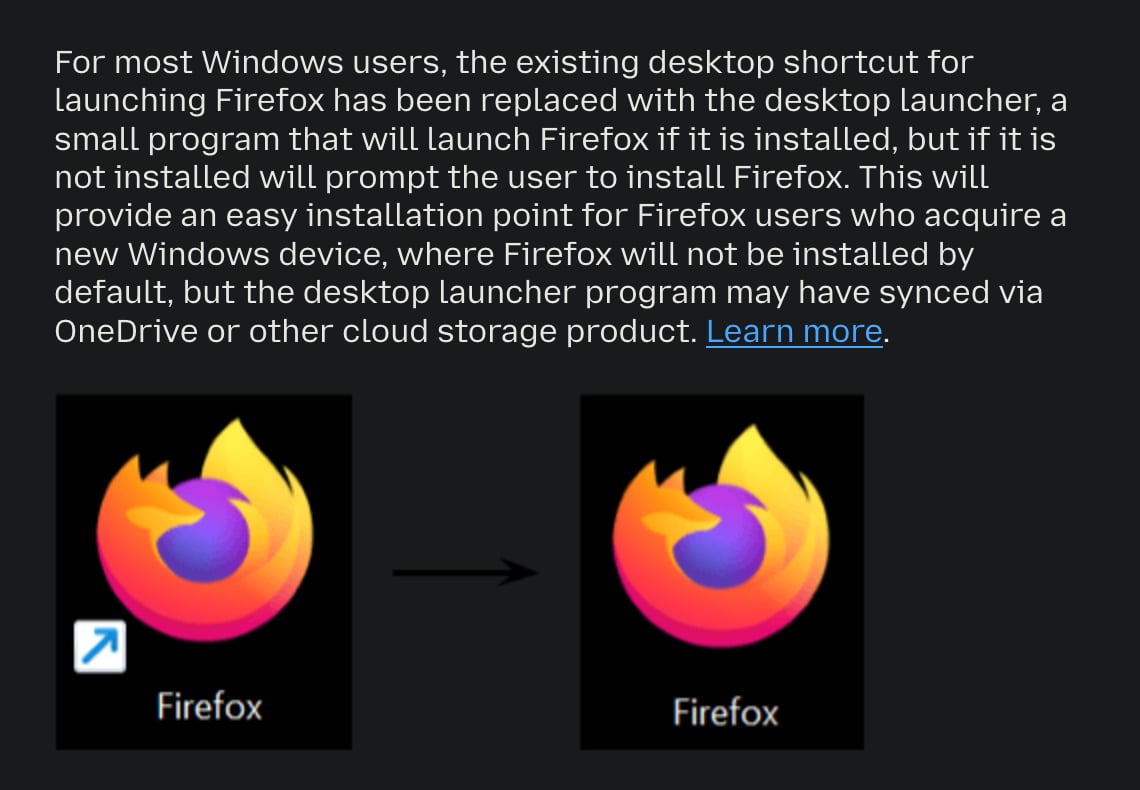
Interessante in Firefox 145: lo shortcut sul desktop non è più uno shortcut ma un piccolo launcher eseguibile.
Scrivere male per soddisfare il linguaggio burocratico:
Posso viaggiare con la bici elettrica o monopattino elettrico?
Si ma solo sui treni della linea ferroviaria Trento-Malè-Mezzana e Trento Bassano del Grappa e sulla Funivia Trento Sardagna in quanto sussiste una rastrelliera dedicata alle biciclette.
"Sussiste una rastrelliera"?
Meglio di "You're absolutely right", probabilmente.

(Claude Code)
La risposta di Guido Scorza sulla "inchiesta" di Report sul Garante privacy. Come è abitudine di Report, una ricostruzione selettiva con diverse inesattezze, omissioni e ignoranze per far sembrare scandalo cose che non lo sono.
Nei Dev Tools di Chrome sarà possibile applicare il throttling solo a una richiesta specifica, utile!
Scrivevo un anno e mezzo fa:
In uno dei suoi tremila blog ieri Google ha annunciato anche un nuovo interessante progetto open source chiamato Magika. Serve a identificare il tipo di un file in automatico e si basa su un modello deep learning molto piccolo e molto efficiente, con tempi di inferenza di pochi millisecondi anche su CPU.
Finora il riconoscimento del tipo di un file era basato sul suo nome (es. estensione .pdf) o sull'analisi dei "magic byte", delle sequenze binarie presenti all'inizio dei file che in molti casi ne permettono l'identificazione. Magika è però di gran lunga superiore rispetto a queste tecniche, con le metriche precision, recall e F1 che superano il 99% e per alcuni tipi di file raggiungono il 100%.
Magika si può usare facilmente con Python o JavaScript, infatti la demo ufficiale funziona nel browser: https://google.github.io/magika/
Ora Magika ha raggiunto la 1.0:
Today, we are happy to announce the release of Magika 1.0, a first stable version that introduces new features and a host of major improvements since last announcement. Here are the highlights:
- Expanded file type support for more than 200 types (up from ~100). -A brand-new, high-performance engine rewritten from the ground up in Rust.
- A native Rust command-line client for maximum speed and security.
- Improved accuracy for challenging text-based formats like code and configuration files.
- A revamped Magika Python and TypeScript module for even easier integrations.
Prestazioni notevoli:
Magika is able to identify hundreds of files per second on a single core and easily scale to thousands per second on modern multi-core CPUs thanks to the use of the high-performance ONNX Runtime for model inference and Tokio for asynchronous parallel processing, For example, as visible in the chart below, on a MacBook Pro (M4), Magika processes nearly 1,000 files per second.
Uno spot Coca Cola mostra i limiti dell'AI generativa nei video:

Palesemente non una buona idea, eppure.
Come funziona Discover Weekly di Spotify:
Discover Weekly is far more sophisticated than the Music Genome project. It starts by pulling in songs from playlists created by its users, then matches them against a taste profile for each individual user, using technology from a company called The Echo Nest that it purchased in 2014. Then it performs additional fine-tuning and filtering, including machine learning analysis of raw audio data, before building you a unique 30-song playlist.
Anche Vodafone DE adotta la strategia del depeering, sulla scia di Deutsche Telekom:
By the end of 2025, Vodafone will have completely withdrawn from every public internet exchange in Germany, including DE-CIX Frankfurt, the largest internet exchange on the planet. Instead, all traffic will flow through a single company called Inter.link, which possibly will charge content providers based on how much data they send to Vodafone customers. It might be the telecom equivalent of a landlord announcing they're demolishing all the sidewalks in town and replacing them with a private toll road.
[...]
Think about that: you pay Vodafone for internet access. YouTube pays Inter.link for the privilege of serving you. Both ends pay, but the service you receive gets worse because the architecture degrades and bottlenecks concentrate through fewer connection points. Vodafone saves money on operational overhead while extracting new revenue from content providers. You, the customer, subsidize this twice and get a degraded product.
[...]
You'll have a two-tiered internet: fast lanes for services that pay, slow lanes for everything else. [...] When you pay Vodafone for internet service, you think you're buying neutral access to the global internet. You're not. You're buying access to Vodafone's network, and Vodafone controls how well that network connects to everything else.
Dall'ottimo articolo di Coffee.link che spiega bene il contesto e il precedente di DT e relativi notevoli effetti sulla qualità di Internet.