Beh Atlas è finito così:
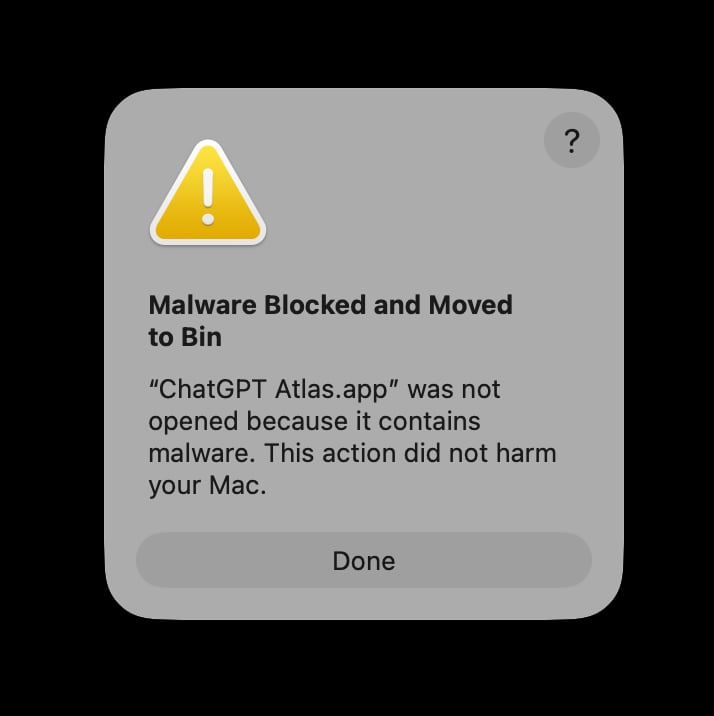
Beh Atlas è finito così:
Two database migrations and a divorce. Jack Ellis di Fathom Analytics spiega la migrazione di 65 miliardi di righe da SingleStore (database OLAP+OLTP) a ClickHouse (ClickHouse Cloud) per OLTP + MySQL/Vitess (PlanetScale) per OLAP, con un risparmio molto significativo e maggiore flessibilità.
I now periodically find myself reviewing a younger dev's code, leaving comments to teach some engineering - only to eventually realize I'm actually reading just yet another Claude's subpar output...
So who am I actually contributing my comments, suggestions, and knowledge to? Will they go back to Claude? Into the training set for the next frontier LLM? Or will at least some of it stick in the dev's mind? This is deeply demotivating, how did we end up like this...
Aleksandr Shvedov, JetBrains
Claude Code sembra richiedere questa strana sintassi per le chiamate ai tool:
<antml:function_calls>
  <antml:invoke name="edit">
    <antml:parameter name="path">some/file.py</antml:parameter>
    <antml:parameter name="edits">
[
  {
    "oldText": "text to replace",
    "newText": "replacement text"
  }
]
    </antml:parameter>
  </antml:invoke>
</antml:function_calls>
A quanto pare Claude Code è però molto indulgente e accetta e corregge sintassi errate come nomi dei campi sbagliati:
Looking at Claude Code’s client is very instructive: it contains retry paths for malformed tool use, parameter aliases, type coercions, Unicode repairs and filtering of unknown keys. In other words, Anthropic’s own client appears to expect and accept a fair amount of slop and repairs it, mostly silently.
Il problema è che in questo modo durante il training dei modelli si ricompensano output errati perché Claude Code è in grado di riconoscerli. Questo rende i modelli Anthropic meno adatti a essere usati con altri "harness" complessi perché sbagliano le chiamate ai tool, dice Armin Ronacher.
OpenAI ha silenziosamente abbandonato Atlas, il browser tutto AI, apparentemente. Sono durati poco questi browser AI.
Ho scritto su LinkedIn:
I use the Internet a lot, I read a lot, I browse many websites. I'm disheartened by the amount of stuff I come across that is clearly written by AI or vibe coded. These days you find a project that looks interesting but you quickly realize it's mostly slop. People's writing has become machine writing. Websites and posters all look the same.
I don’t know whether I prefer the old world (my work was slower), but for now, the new world is a very sad flattening of care and effort in things. If people get used to this, what's the point of putting in the effort?
I wrote the blog post below like I would have done 4 years ago, hand-typing 3,500 words. An AI could write some bloated article in 2 minutes, it took me 10+ hours of research, writing and review. It won't make me money and few people will read it. Some parts may sound unnatural (English is not my native language). I still think that's the right thing to defend.
Ho pubblicato un articolo su DMARCwise (Why DMARC's new "np" tag can fail with DNSSEC) che evidenzia come rilevare se un dominio esiste o meno è più complicato di quello che la RFC di DMARC suggerisce quando c'è di mezzo DNSSEC. Molti grossi provider DNS, come Cloudflare, NS1, AWS Route 53, Azure DNS, Oracle Cloud DNS e Bunny DNS, usano il metodo NSEC "black lies" o "compact denial of existence" (RFC 9824) per semplificare la generazione della risposta DNS negativa, rinunciando però così al codice di risposta NXDOMAIN, che è il metodo con cui storicamente si rilevava la mancata esistenza di un dominio.
Visto che di questi tempi serve dirlo, ho scritto l'articolo di 3.500 parole a mano impiegandoci più di 8 ore di lavoro. Ho usato Codex con GPT-5.5 per revisionare typo, sintassi, grammatica e correttezza del contenuto, applicando qualche correzione qua e là.
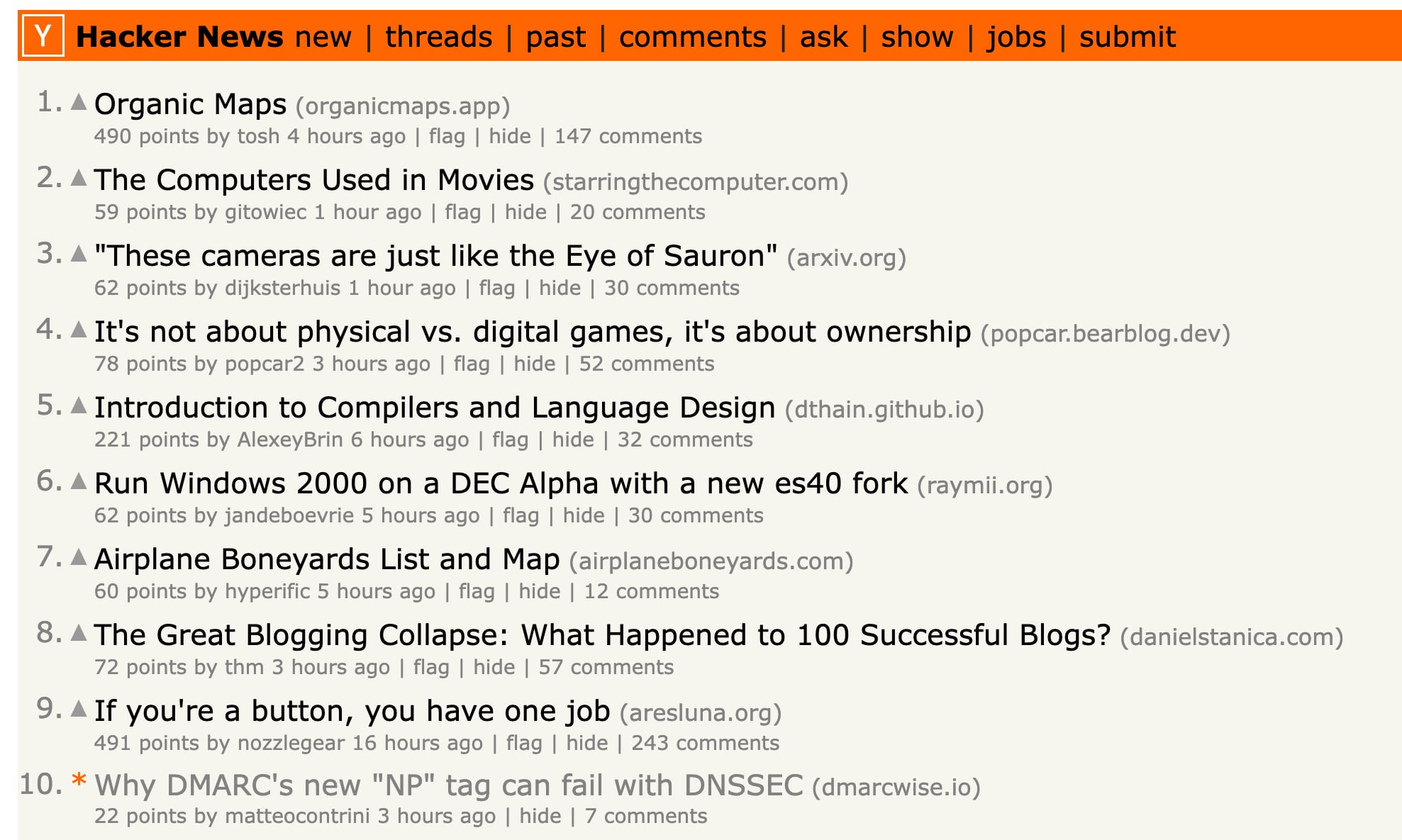
L'ho pubblicato ieri su Hacker News, dove di domenica è più facile ottenere attenzioni, e ora ha 50 punti e 20 commenti. Posizione massima in homepage, numero 10:
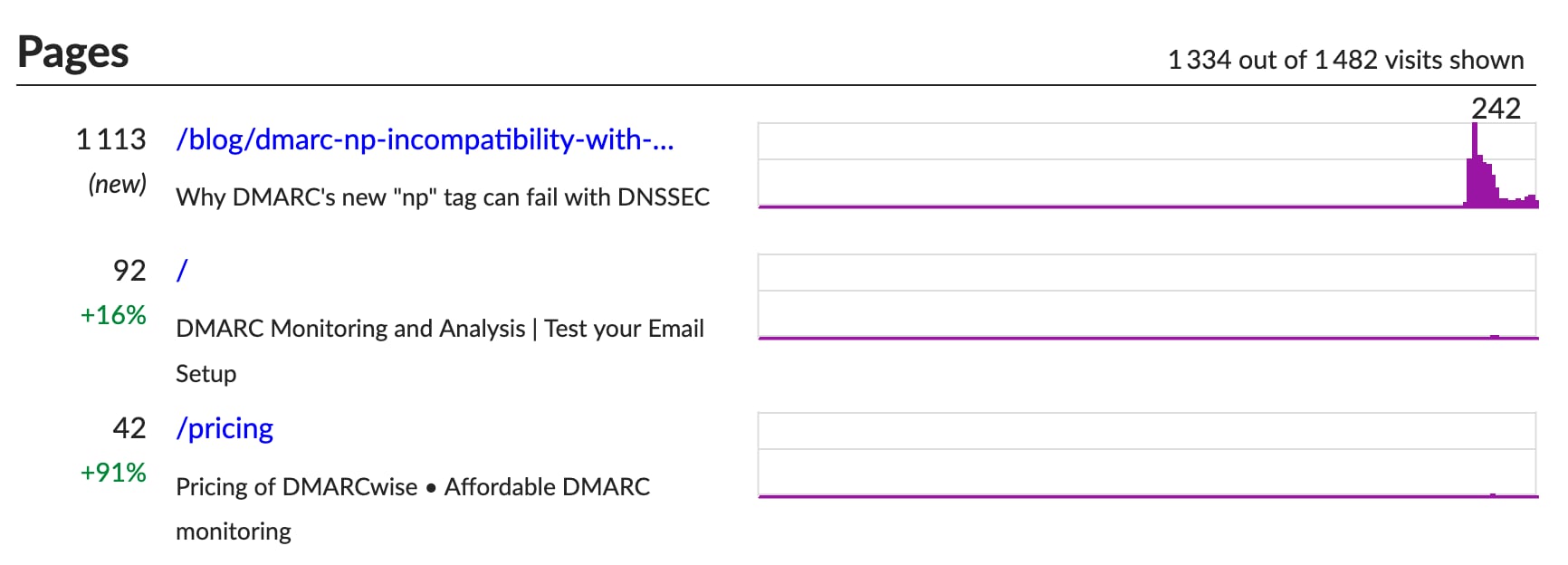
Il traffico è stato di circa 1.000 visite ma con un impatto essenzialmente irrilevante sul resto del sito (zero nuove iscrizioni):
DNS Directory. Una lista di circa 8mila resolver DNS pubblici con punteggio di affidabilità calcolato sulla base dei dati raccolti nelle scansioni che avvengono ogni 10 minuti.
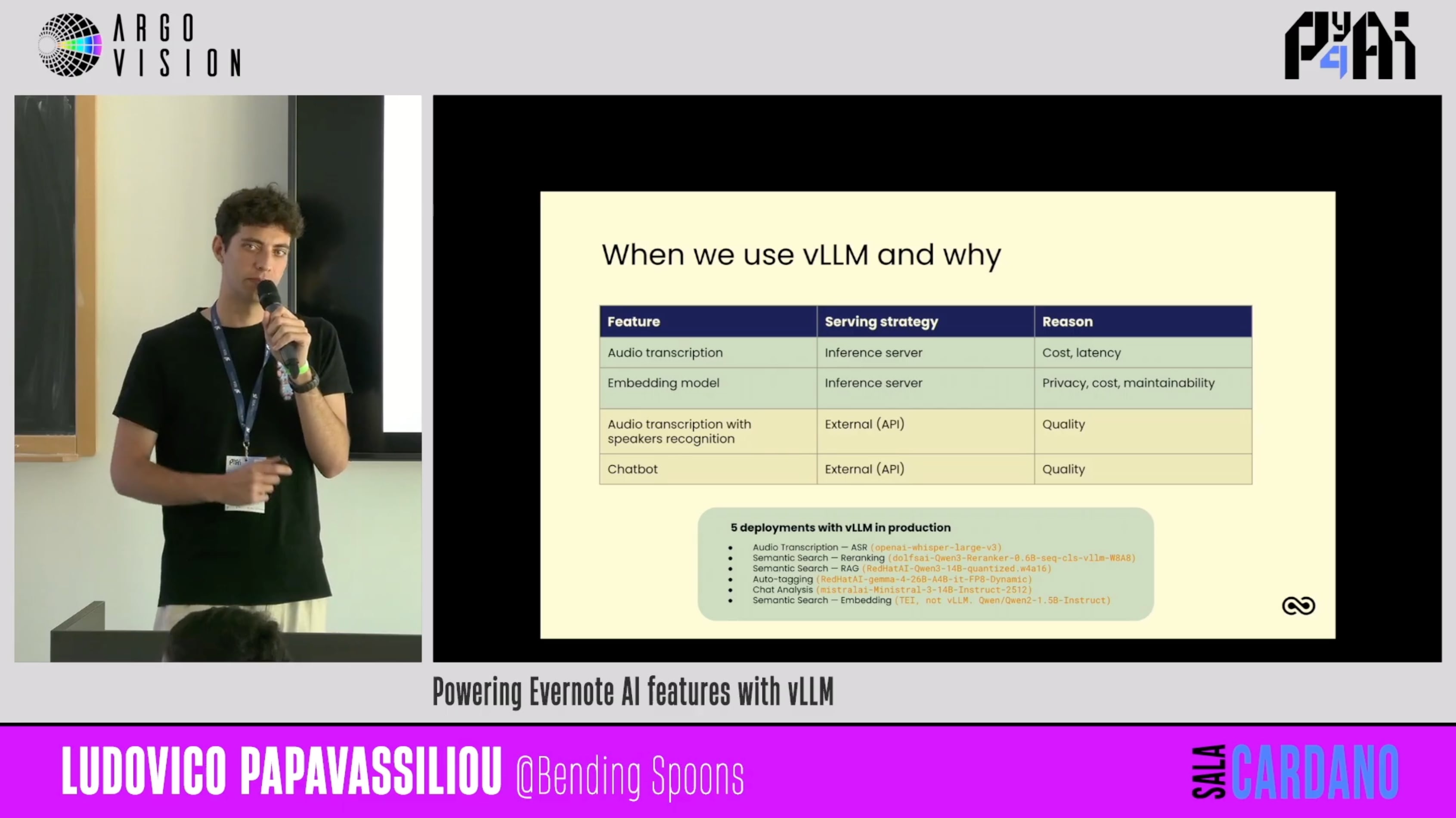
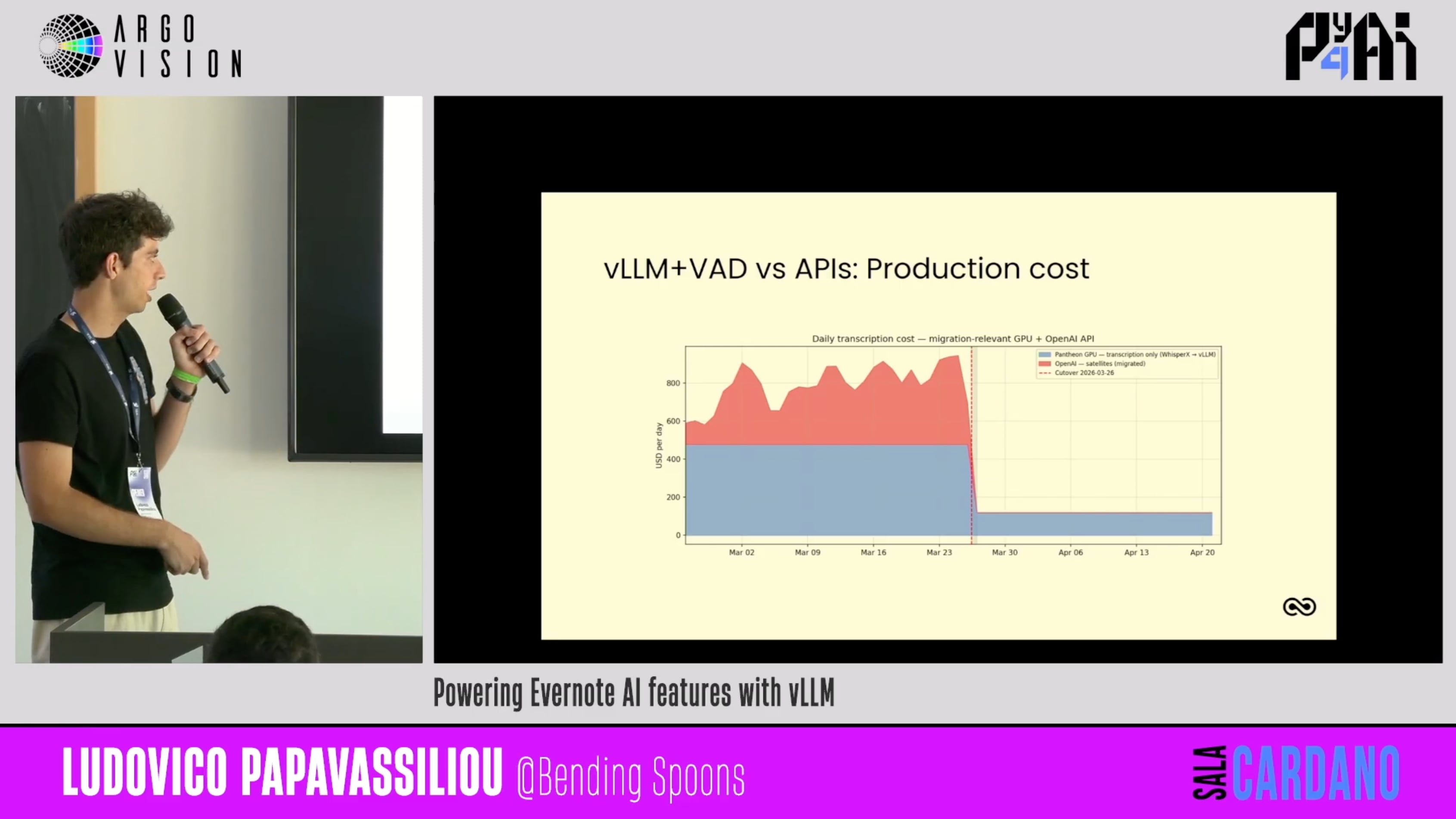
Powering Evernote AI features with vLLM. Ludovico Papavassiliou di Bending Spoons spiega come sono state implementate alcune feature AI di Evernote (9 miliardi di note, 100 milioni di note aggiunte ogni anno), in particolare per quanto riguarda la trascrizione audio (800mila trascrizioni audio al mese più altre 200mila con riconoscimento speaker). Sono passati da WhisperX a vLLM, sull'infrastruttura interna condivisa tra i prodotti (K8s GCP), e il costo giornaliero è sceso da picchi di 1000 $ al giorno a poco più di 100 $ (solo 0,03 $ per ora di audio). Per le trascrizioni con diarization usano invece ElevenLabs scribe-v2 perché la qualità giustifica il costo.
È un lusso oggi sentire l'urgenza di cambiare il mondo. Bisogna poterselo permettere. Se nonostante i social e gli altri media che generalmente si sono omologati agli algoritmi dell'engagement in cerca di facili clic, se nonostante questo non vivete nella paura degli altri, se non vi assale una rabbia distruttiva verso chiunque la pensi diversamente, se il narcisismo di massa non vi ha trasformato in degli ebeti dipende anche da dove siete vissuti, dagli incontri che avete fatto, dai libri che avete letto. E quindi non è il momento di sentirsi migliori, ma di impegnarsi di più. Per prima cosa praticate la gentilezza. Venti anni di social ci hanno imbruttito, ci hanno incattivito. Per avere successo, per macinare like e followers, non abbiamo solo dato libero sfogo al narcisismo, ma abbiamo ceduto alla rabbia verso gli altri. Era inevitabile forse per resistere ma l'indignazione prêt-à-porter va evitata. La gentilezza in tempi feroci non è debolezza. E non è arrendevolezza verso le ingiustizie e i veri prepotenti. Nel mondo degli algoritmi dell'engagement, la gentilezza è un atto di resistenza. È l'inizio di una rivoluzione. Vuol dire provare a essere il cambiamento che vogliamo vedere nel mondo. Si può essere inflessibili e determinati ma senza perdere la gentilezza.
Riccardo Luna in Qualcosa è andato storto.
Perfetto, adesso abbiamo pure gli operatori telefonici col sito fatto con l'AI (è palese, come dicevo: i badge, le card arrotondate, i font, i gradienti, sono tutti uguali).
Uno dei motivi per cui non mi è mai piaciuto Cloudflare è che pensano di sapere cosa è meglio per te e i default sono spesso dannosi (es. caching).
Ora hanno deciso di loro iniziativa di bloccare buona parte dei crawler AI tirando però dentro incidentalmente, se non ho capito male, anche i bot dei motori di ricerca che permettono la normale indicizzazione:
On September 15, 2026, we’ll be setting new defaults for each of these three classifications. For all new domains onboarding to Cloudflare, the categories of Training and Agent will be blocked by default on the pages that display ads, while Search will remain allowed by default.
[...] Another change that will apply on September 15 is that multi-purpose crawlers (specifically those that combine Search with Training) will be allowed/blocked according to all of their behaviors, in line with our call for transparency for website owners. Since the defaults will be enforced by the most restrictive applicable rules, multi-purpose crawlers such as Googlebot, Applebot, and BingBot will be blocked by customers who have selected to block Training (either through the new options to manage AI traffic, or through the legacy Block AI bots service).
Spero di aver capito male.
EDIT: la parafrasi che fanno i media è "Cloudflare sets deadline to block AI crawlers that bundle search with AI training". La scadenza sarebbe quindi un modo per costringere le "aziende AI" a differenziare i crawler tra ricerca, training e uso agentico.
Sono ancora molto sorpreso dalla negatività così netta su Bending Spoons, specialmente perché almeno in parte è infondata. Sento principalmente due questioni in questi giorni. Una è che sono una società di "private equity" e quindi comprano le aziende in difficoltà, le "spremono" e poi le rivendono. Su questo non so che dire se non che Bending Spoons esiste da 13 anni, da 13 anni dice che non vende i prodotti, e in 13 anni non ha infatti mai venduto un prodotto. La teoria può essere allettante ma mi pare semplicemente infondata.
L'altra questione è quella che la gente riassume con "tutti i prodotti sono peggiorati". Mi chiedo se qualcuno questi prodotti li ha effettivamente usati. Tra le acquisizioni più recenti e popolari c'è ad esempio Evernote, che era in uno stato pietoso, con millemila bug decennali, prestazioni scarse e un'architettura vetusta. Il lavoro tecnico fatto da Bending Spoons a me pare ineccepibile. È praticamente stato riscritto tutto con grosse riprogettazioni architetturali per supportare rinnovate funzioni core come la ricerca semantica, e poi centinaia di miglioramenti e una major release. La retention è la più alta che il prodotto ha mai avuto. Non vedo sinceramente dove sia il peggioramento, al netto dell'aumento dei prezzi (che trovo comunque legittimo, se il posizionamento che vogliono è quello là).
Guardo Vimeo, che aveva già un buon prodotto ma una totale confusione strategica e un business model mezzo rotto, e vedo: i prezzi non mi sembra siano cambiati, la dashboard è più veloce del 60%, leggo di 50 miglioramenti in 4 mesi e mi sembrano positivi, la roadmap mi pare persino cauta. Anche qui non vedo dove sia il peggioramento.
Altro acquisto recente è Brightcove, piattaforma di streaming enterprise. Il prodotto era abbastanza fermo e le cose hanno iniziato a muoversi di nuovo. Anche un commentatore del settore sempre critico come Dan Rayburn si è detto stupito della velocità dei miglioramenti e valuta positivamente il post acquisizione dal punto di vista del prodotto.
L'altro giorno ho poi letto un commento di un tecnico del settore di cui non dubiterei le competenze che il fallimento dell'app Immuni sarebbe da imputare a Bending Spoons, che ci sarebbe pure presa i fondi pubblici. Eppure pensavo fosse noto che i limiti di Immuni dipendevano dai framework Google e Apple per il tracciamento dei contatti (l'app era solo un frontend) e che Bending Spoons non ha preso un euro dallo Stato per lo sviluppo e la manutenzione dell'app.
E quindi non capisco di cosa si stia parlando di preciso. Il business model di Bending Spoons è evidentemente controverso (ma è poi quello che gli permette di pagare salari essenzialmente doppi rispetto alla media, con un 1 milione di fatturato per dipendente) ma non capisco da dove nasca il mettere in discussione la capacità di sviluppare prodotti. Soprattutto se consideriamo la qualità media del software fatto in Italia, che sta un grattacielo sotto. Vorrei vedere la stessa passione nei confronti di software house come Reply e Accenture, che fanno essenzialmente body rental producendo costantemente software di bassa qualità e spesso poco sicuro, con un impatto nel quotidiano cento volte maggiore rispetto alla Evernote di turno (non conosco nessuno che usi Evernote da un decennio, eppure oggi sembrano avere tutti questo improvviso attaccamento e premura per Evernote).
Fine rant.
Segue spontaneamente dal post precedente: come si compila ffmpeg?
Per Linux e macOS esiste uno script chiamato ffmpeg-build-script che scarica il sorgente di tutte le dipendenze necessarie, le compila una alla volta e poi compila ffmpeg creando il binario. Richiede diversi minuti e usa molta CPU. Per includere libfdk_aac, basta usare:
./build-ffmpeg --build --enable-gpl-and-non-free
Su macOS c'è anche un tap Homebrew di terze parti che si occupa della compilazione. Le dipendenze sono scaricate tramite Homebrew. Per includere libfdk_aac:
brew install homebrew-ffmpeg/ffmpeg/ffmpeg --with-fdk-aac
oppure
brew install homebrew-ffmpeg/ffmpeg/ffmpeg --enable-nonfree
Qua tutte le opzioni.
ffmpeg 9.1 conterrà un nuovo encoder audio AAC che secondo i benchmark potrebbe essere il miglior encoder AAC disponibile. Dopo anni e anni in cui i maintainer di ffmpeg hanno negato che l'encoder AAC avesse problemi (quando invece presentava evidenti artefatti anche a bitrate altri), finalmente qualcosa si è mosso. Il nuovo encoder però non supporta VBR ed è ottimizzato per sampling rate 48 kHz. In quei casi conviene continuare a usare libfdk_aac (Fraunhofer AAC), che richiede però di compilarsi ffmpeg perché la licenza non ne consente la distribuzione. Comunque buono che il default sarà di buona qualità senza ricorrere a libfdk_aac nella maggior parte dei casi.
Google dismette le API di Tenor, catalogo e motore di ricerca di GIF usato da mezzo mondo, per risparmiare soldi e mezzo mondo passa a Klipy, che assurdamente è del fondatore di Tenor in cui Google stessa ha investito milioni di dollari una settimana fa. Make it make sense. Big tech at their finest.
Klipy is where most apps are landing. One of its founders is Frank Nawabi, who built Tenor and sold it to Google in 2018. On June 17, two days ago, Klipy raised $3.8 million. Google's own AI Futures Fund was among the investors.
The man who built Tenor, sold it to Google, and watched Google kill it is now running the replacement. Google is funding him again.
Non ho ancora ben capito perché dovrei usare le "skill" nei vari LLM. Mi aiutano a capire questi motivi pubblicati da Alfonso Fuggetta:
Tre ragioni, in ordine di importanza crescente.
La prima è il risparmio di tempo. Senza skill, ogni sessione comincia con cinque-dieci minuti di setup: spiegare chi sono, cosa sto facendo, quali file consultare, in che formato voglio l’output. Una skill assorbe tutto questo. Per la singola sessione il risparmio non è grande; sommato per le tante sessioni della settimana, vale parecchio tempo.
La seconda è la coerenza. I post di A bassa voce hanno una voce precisa: registro saggistico, struttura circolare, regole tipografiche, una lista di pattern AI da evitare. Senza skill, ogni volta che chiedo a Claude di aiutarmi con un draft, devo ricordargli, per esempio, che “cruciale” va tagliato, che le citazioni vanno verificate con un web fetch e che la nota di assistenza AI va in fondo al post. Con la skill
post-writerqueste regole vengono codificate una sola volta e applicate sistematicamente.La terza è la più interessante e l’avevo sottovalutata. Costruire una skill mi costringe a scrivere per esteso una routine che fino a quel momento avevo solo in mente. Routine implicite: come strutturo un intervento, come gestisco la chiusura della giornata, come decido se un libro merita un post. Metterle nero su bianco le rende ripetibili, criticabili e migliorabili. Diverse delle mie skill sono nate per Claude e si sono trasformate nel manuale operativo del mio lavoro intellettuale, indipendentemente dall’AI.
Una cosa mi ha sempre colpito, in questi anni di osservazione dell'ecosistema italiano: la difficoltà che abbiamo, come paese, a credere nelle nostre storie prima che il mondo ce le confermi. Satispay è diventata un unicorno, e l'Italia ha scoperto di avere Satispay. Blackshape ha conquistato i mercati internazionali, e l'Italia ha scoperto di avere Blackshape. Questo schema ripetuto — la sorpresa, il ritardo nel riconoscimento — è una delle sfide più profonde che il paese deve affrontare. Non è solo un problema di finanziamenti o di burocrazia. È un problema culturale. È la cosa fondamentale da cambiare: per creare il futuro bisogna prima immaginarlo.
Gianluca Dettori nell'ultimo numero di Wired Italia.
Ogma è un progetto di Andrea Lazzarotto che raccoglie in un motore di ricerca i dizionari di dizione, tra cui il famoso DIPI e il DOP della Rai. Ma ci sono anche Treccani e Garzanti, utile per confrontare anche le definizioni, mi sembra. Esempio.
Understanding email encryption. Dal blog di Fastmail tutti gli strati di crittografia della posta elettronica: TLS, opportunistic TLS, MTA-STS, DANE, la crittografia at rest, la crittografia end-to-end (S/MIME e PGP) e la crittografia zero-access stile Proton Mail. Con tutti i trade-off, che più ci pensi più si capisce come il sistema della posta elettronica abbia delle falle di design fondamentali che probabilmente non si riuscirà mai a risolvere davvero.